If you have an autoimmune disease — or are researching treatments for Long COVID, POTS, or a neurological condition — you've likely come across both therapeutic plasma exchange (TPE) and intravenous immunoglobulin (IVIG). Both can modulate the immune system in autoimmune disease. But they work through entirely different mechanisms, have different onset times, different side effect profiles, and are better suited to different clinical situations. This article explains the practical differences so you can have a more informed conversation with your physician.
What Is IVIG?
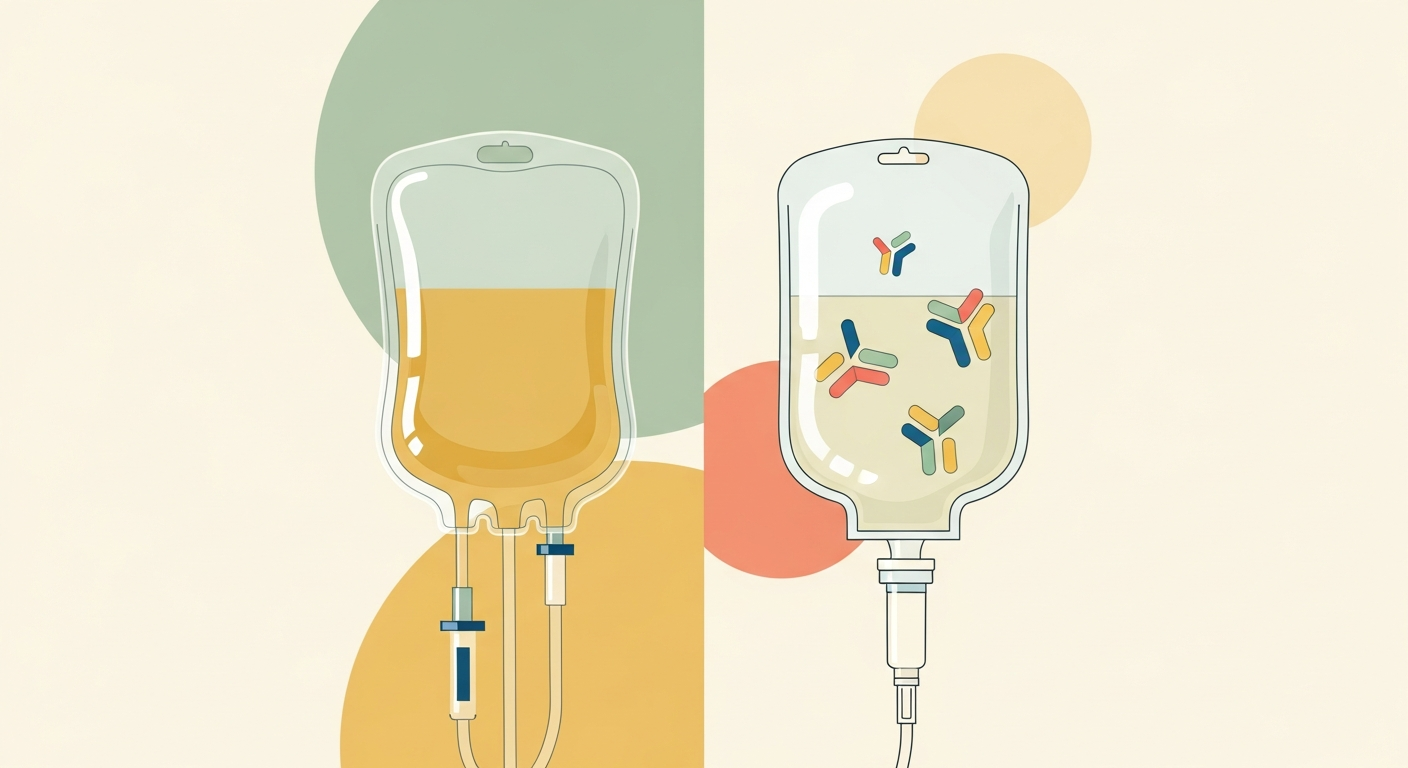
Intravenous immunoglobulin (IVIG) is a preparation of pooled immunoglobulin G (IgG) antibodies collected from thousands of healthy blood donors. It is infused intravenously over several hours, typically every 3–6 weeks.
IVIG works through several overlapping mechanisms:
- Fc receptor blockade: The large volume of IgG saturates Fc receptors on immune cells, preventing pathological autoantibodies from binding and triggering immune destruction of tissues
- Anti-idiotype antibodies: Pooled healthy IgG contains antibodies that can bind to and neutralize disease-causing autoantibodies
- Complement modulation: IVIG interferes with the complement cascade, reducing inflammation
- Regulatory T-cell induction: IVIG promotes the activity of T-regulatory cells, which suppress aberrant immune activity
IVIG is FDA-approved for dozens of conditions including primary immune deficiency, chronic inflammatory demyelinating polyneuropathy (CIDP), Guillain-Barré syndrome, immune thrombocytopenic purpura (ITP), and others.
What Is Therapeutic Plasma Exchange (TPE)?
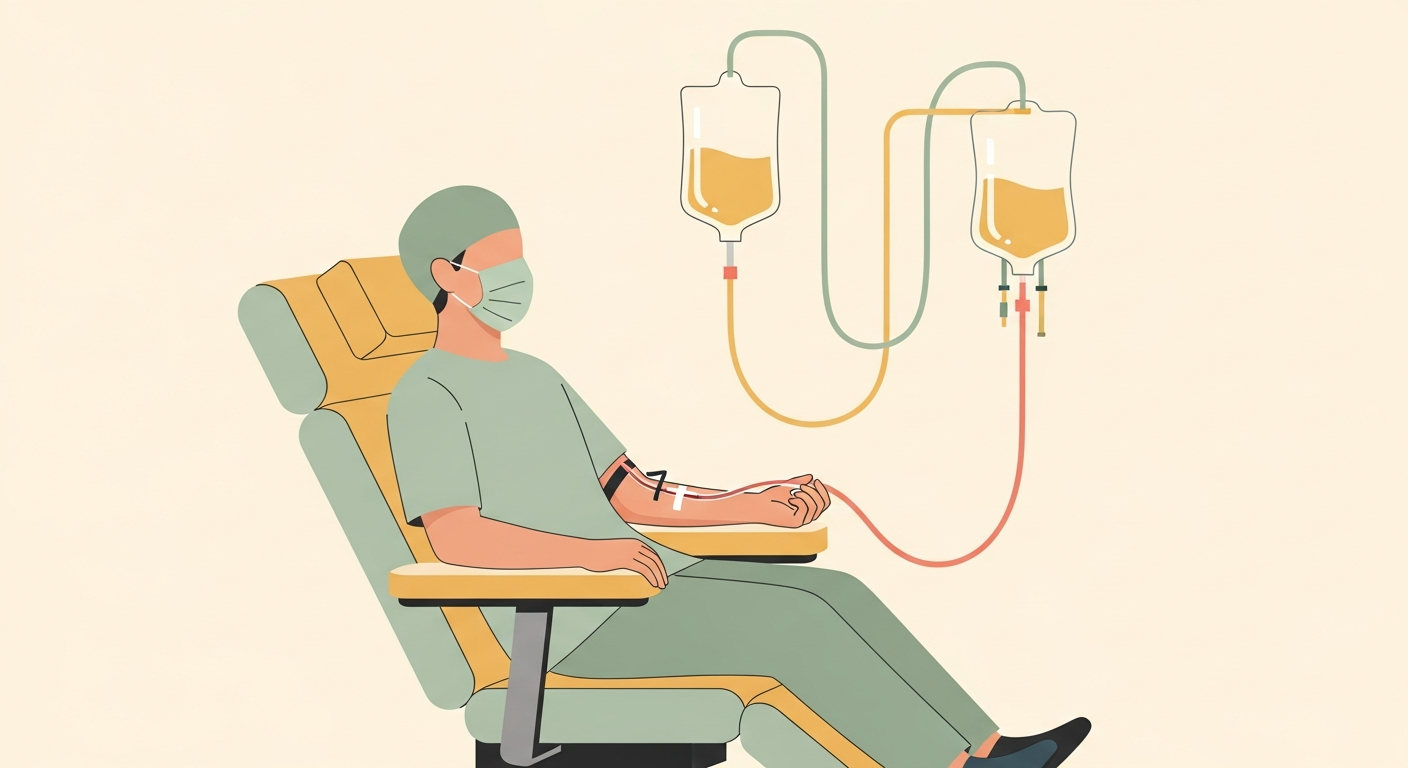
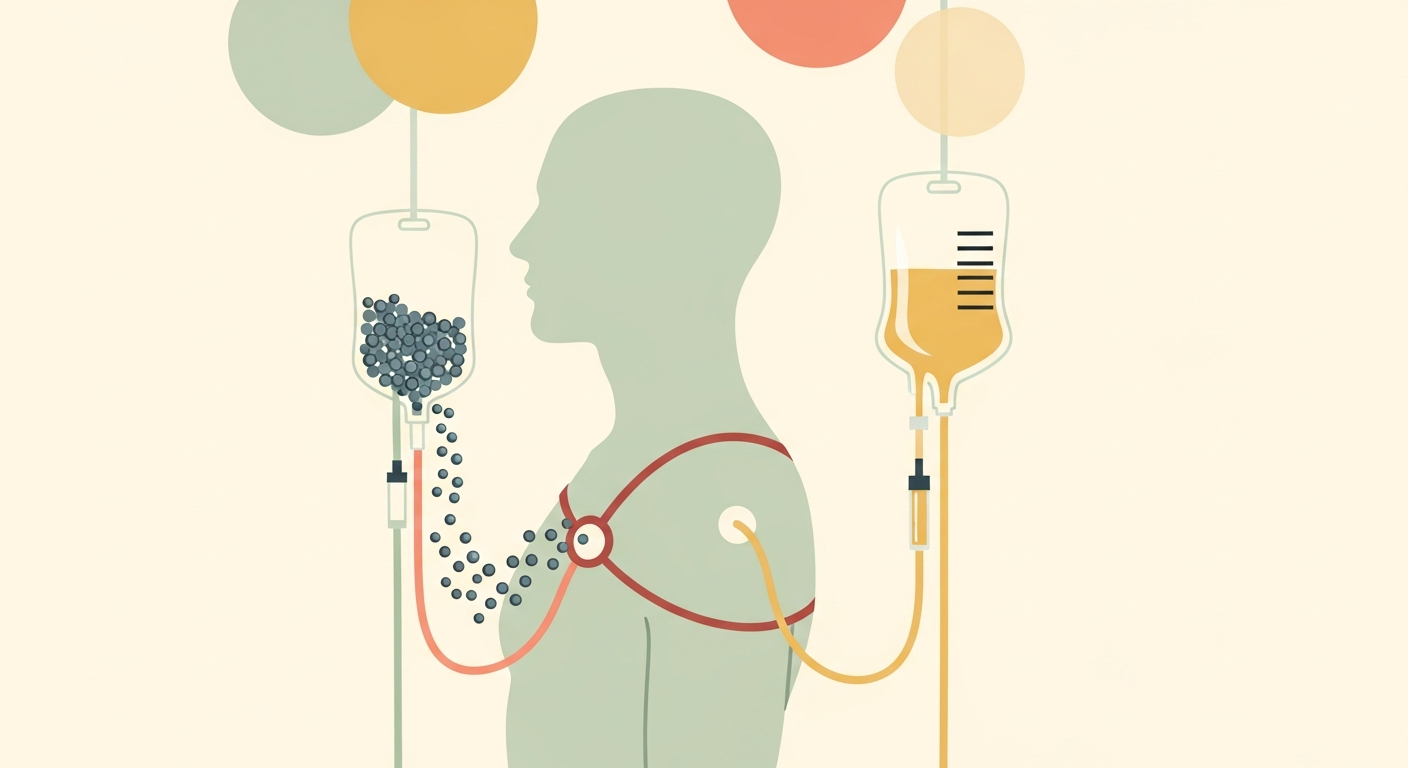
Therapeutic plasma exchange physically removes the plasma fraction of blood — which contains autoantibodies, immune complexes, inflammatory cytokines, and other pathological proteins �� and replaces it with albumin. Unlike IVIG, which adds therapeutic substances to modulate immune function, TPE removes pathological substances directly.
Think of it this way: if your bloodstream is a swimming pool that has become contaminated, IVIG adds a pool-balancing chemical that neutralizes the contaminant. TPE drains the pool and refills it with clean water.
How the Mechanisms Differ: Subtractive vs. Additive Therapy
This is the most fundamental distinction:
- TPE is subtractive: It removes the pathological antibodies and inflammatory proteins that are driving disease. The effect is rapid — within days — because the pathological load drops immediately. However, the underlying immune dysfunction remains, and autoantibodies will eventually be reproduced by the immune system (over weeks to months).
- IVIG is additive: It adds healthy immunoglobulins that modulate immune function. The onset is slower (weeks rather than days), but the mechanisms provide a more sustained regulatory effect. IVIG does not remove pathological antibodies — it neutralizes them and shifts immune regulation.
When TPE Is the Better Choice
- Acute autoimmune crises: When a patient needs rapid reduction of pathological antibody load — myasthenia gravis crisis, severe Guillain-Barré, acute NMDA receptor encephalitis — TPE provides faster, more dramatic reduction than IVIG.
- High antibody titers: When autoantibody levels are significantly elevated, TPE directly removes them. IVIG neutralizes but does not remove them.
- Long COVID with autoantibodies: Research has specifically demonstrated reduction in adrenergic and muscarinic receptor autoantibodies following TPE, with corresponding symptom improvement. IVIG has less evidence specifically in this application.
- Longevity protocols: The pro-aging plasma factor hypothesis (Stanford/Conboy research) suggests that diluting plasma removes age-associated inhibitory factors. This is a TPE mechanism — IVIG addresses nothing in this context.
- Pre-IVIG or transplant preparation: TPE is often used to rapidly clear antibodies before IVIG infusion or before organ transplant to maximize IVIG efficacy.
When IVIG Is the Better Choice
- Long-term maintenance: For chronic autoimmune conditions requiring ongoing immune modulation, IVIG's more sustained effect is practical — typically infused every 3–6 weeks on an ongoing schedule.
- Primary immune deficiency: IVIG replaces immunoglobulins that the immune system cannot produce — a fundamentally different application that TPE cannot address.
- Insurance coverage: IVIG is much better covered by insurance for its approved indications. For conditions where both are viable, insurance access may practically determine the choice.
- Pediatric autoimmune disease: IVIG has extensive evidence and a strong safety record in children for conditions like Kawasaki disease and autoimmune encephalitis.
Can TPE and IVIG Be Used Together?
Yes — and this combination is used clinically in several settings. The strategy is:
- Use TPE first to rapidly clear the pathological antibody load
- Follow immediately with IVIG while antibody levels are low (the empty "receptor space" allows IVIG to work more effectively)
- Use IVIG for ongoing maintenance as autoantibodies begin to re-accumulate
This combined approach is used in conditions like myasthenia gravis, NMDA receptor encephalitis, and some cases of severe autoimmune disease where rapid and sustained immune modulation is needed. Note that IVIG given after TPE may be partially removed by subsequent TPE sessions — timing and sequencing matter.
Side Effect Comparison
Both procedures are generally safe when performed by experienced practitioners, but their side effect profiles differ:
- TPE side effects: Citrate-related tingling or cramping (common, managed with calcium supplementation), mild post-procedure fatigue, temporary reduction in clotting factors and immunoglobulins, IV access complications. Serious adverse events are rare.
- IVIG side effects: Headache (common — often managed with premedication), flu-like symptoms, aseptic meningitis (rare), thromboembolic events (rare), hemolytic anemia (rare), and allergic reactions. Patients with IgA deficiency require IgA-depleted IVIG to prevent anaphylaxis.
Cost Comparison
IVIG is expensive — infusion costs commonly run $5,000–$30,000 per course depending on dose and patient weight. However, for approved indications it is generally covered by insurance, which makes the patient cost manageable.
TPE cost per session reflects equipment, albumin replacement fluid, nursing time, and physician oversight. For off-label indications (Long COVID, longevity), it is typically self-pay, though we provide documentation for potential insurance reimbursement. Our office can provide current pricing at consultation.
The Bottom Line
Neither TPE nor IVIG is universally superior — they are different tools that address immune dysregulation through different mechanisms. The right choice depends on your specific diagnosis, the acuity of your condition, your antibody profile, your insurance coverage, and your treatment goals.
At Purety Clinic in Santa Barbara, we evaluate each patient individually and, where appropriate, recommend one or both based on what the evidence supports for their situation. If you'd like to understand whether therapeutic plasma exchange might be appropriate for your condition, we offer consultations — including remote consultations for patients outside the Santa Barbara area.