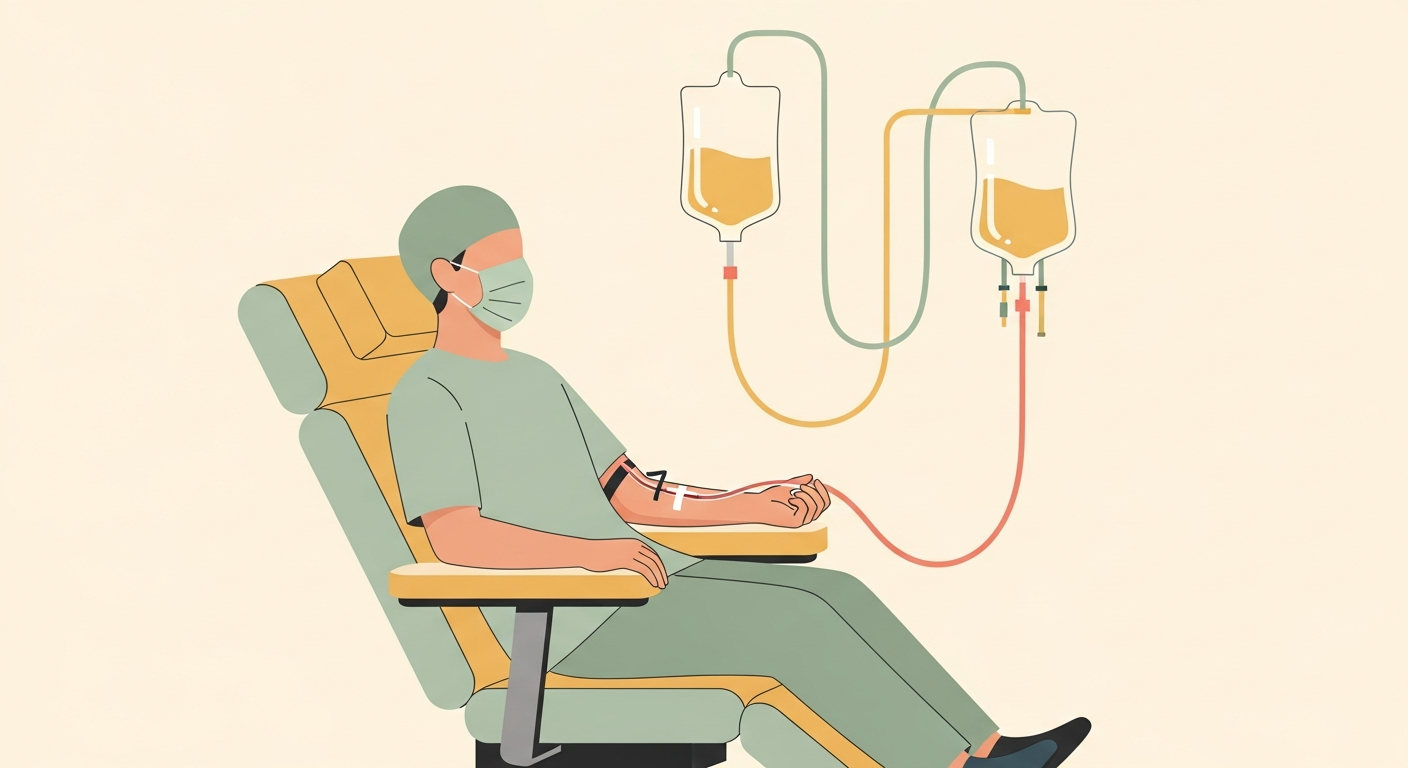
Most people think of therapeutic plasma exchange (TPE) as a treatment for autoimmune disease — and it is. But at Purety Clinic, we have long used TPE for another purpose: removing the synthetic chemicals and environmental toxins that accumulate in the body over a lifetime. A peer-reviewed study published in April 2025 in Medical Hypotheses (Elsevier) has now provided direct experimental evidence that serial TPE sessions can dramatically reduce circulating levels of some of the most common — and most harmful — synthetic chemicals in the modern environment. Here's what the research found, and what it means for patients considering TPE for detoxification.
The Study: Serial TPE for Synthetic Chemical Removal
The paper — "Can serial therapeutic plasma exchange remove synthetic chemicals from humans?" — was published in April 2025 in Medical Hypotheses, a peer-reviewed journal published by Elsevier (ScienceDirect). The study enrolled participants, measured baseline levels of a panel of synthetic chemicals in their blood and urine, then had a subset of 11 participants undergo a series of 3 to 5 TPE sessions combined with nutritional supplementation. Chemical levels were re-measured at 2 weeks, 6 weeks, and 6 months after the last session.
The results were striking. The three most commonly elevated synthetic chemicals found in participants at baseline were:
- Bisphenol A (BPA) — detected at elevated levels in 60% of participants. A phenolic compound used in plastics, food can linings, and thermal receipt paper; a known endocrine disruptor that mimics estrogen.
- Glyphosate — detected in 35% of participants. The active ingredient in Roundup and other herbicides; found in conventionally grown food supply, associated with gut microbiome disruption and potential carcinogenicity.
- Butylparaben — detected in 30% of participants. A preservative used in cosmetics, personal care products, and some pharmaceuticals; another endocrine disruptor with estrogen-mimicking activity.
After the series of TPE sessions with nutritional supplementation, the collective synthetic chemical burden dramatically and significantly decreased — with a p-value of ≤ 0.0006. That is an exceptionally strong statistical result for a clinical intervention study.
Why Are These Chemicals So Difficult to Clear Otherwise?
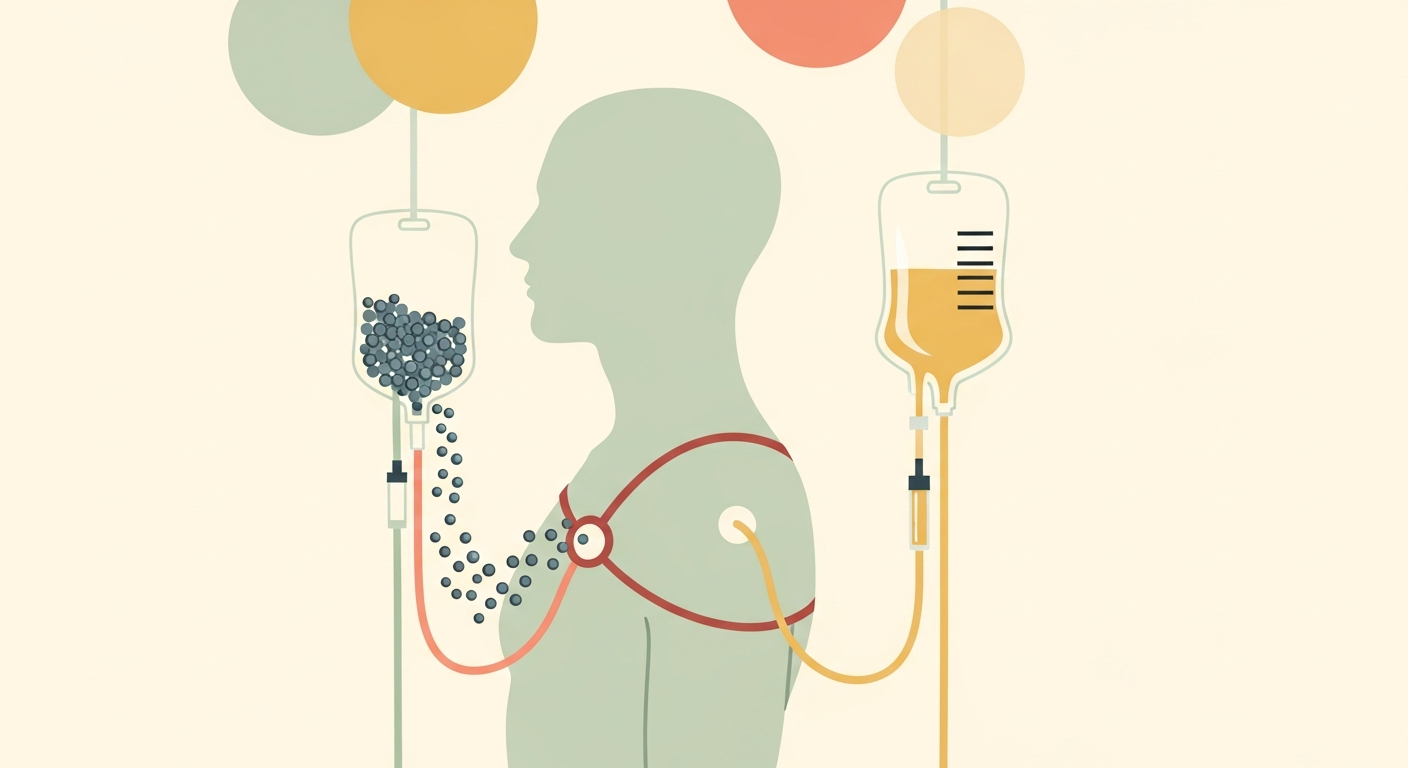
BPA, glyphosate, parabens, and hundreds of related synthetic compounds share a critical property: they are highly protein-bound. In the bloodstream, they bind tightly to plasma proteins — primarily albumin, but also lipoproteins and globulins. Because they are bound rather than freely circulating, the body's normal filtration systems (liver, kidneys) cannot clear them efficiently.
This is exactly why TPE works for chemical removal: it physically removes the plasma fraction — proteins and all — and replaces it with clean albumin. The chemicals bound to the discarded plasma leave the body with it. Unlike sauna protocols, dietary cleanses, or binders (activated charcoal, cholestyramine), TPE removes the protein-bound chemical load directly from the vascular compartment in a single session.
The research team notes that chemicals with high protein binding and a small volume of distribution are most efficiently removed by TPE — which is precisely the pharmacokinetic profile of BPA, many parabens, and other endocrine-disrupting compounds.
The Body Burden Problem: Why This Matters Clinically
The concept of "total body burden" — the accumulated load of synthetic chemicals, heavy metals, and environmental toxins in human tissue — has become a central concern in integrative and environmental medicine. The average American has detectable levels of hundreds of synthetic chemicals in their blood and tissue, many of which were not even manufactured until the mid-20th century.
The health consequences of this chronic low-level exposure are increasingly well-documented:
- Endocrine disruption — BPA, parabens, phthalates, and pesticides compete with estrogen, testosterone, and thyroid hormone at receptor sites, disrupting hormonal signaling even at very low concentrations
- Immune dysregulation — Many synthetic chemicals promote a pro-inflammatory immune state, contributing to the epidemic of autoimmune and allergic disease
- Mitochondrial toxicity — Glyphosate and other pesticides interfere with mitochondrial electron transport, reducing cellular energy production and contributing to fatigue syndromes
- Neurological effects — Multiple synthetic chemicals have been linked to cognitive decline, ADHD, autism spectrum presentations, and neurodegenerative disease
- Carcinogenicity — Glyphosate has been classified as a probable human carcinogen by the International Agency for Research on Cancer (IARC)
For patients who are symptomatic — unexplained fatigue, hormonal dysregulation, inflammatory conditions, cognitive impairment, or immune dysfunction — addressing the chemical body burden is often a necessary part of a comprehensive treatment plan.
What TPE for Detoxification Looks Like at Purety Clinic
At Purety Clinic in Santa Barbara, we have been using TPE for detoxification purposes alongside its autoimmune and inflammatory applications. Our detoxification protocol typically involves:
- Baseline chemical and toxin testing: We start with a comprehensive environmental toxin panel — assessing heavy metals, pesticides, herbicides, BPA and other plasticizers, parabens, and volatile organic compounds — to quantify your specific body burden and track your response to treatment
- Serial TPE sessions: Consistent with the study protocol, we typically recommend 3–5 sessions for detoxification purposes, with frequency and spacing determined by your individual load and response
- Nutritional support: Concurrent IV nutritional therapy — including high-dose vitamin C, glutathione, and B-complex — supports hepatic detoxification pathways during and after TPE, and helps replete nutrients that may be partially removed during the exchange
- Post-treatment follow-up testing: We repeat the toxin panel after your final session and again at 6 weeks to quantify the reduction and assess whether additional sessions are warranted
- Upstream exposure reduction: TPE is most effective when paired with a systematic effort to reduce ongoing exposure — dietary changes, filtered water, switching to non-toxic personal care products, and reducing plastics
Who Should Consider TPE for Chemical Detoxification?
TPE for detoxification is most appropriate for patients who:
- Have confirmed elevated chemical loads on laboratory testing (pesticide panels, BPA/phthalate testing, organic acids, or heavy metal panels)
- Have symptoms consistent with chemical toxicity or endocrine disruption — unexplained fatigue, hormonal imbalance, immune dysfunction, cognitive impairment, or multiple chemical sensitivity
- Have not responded adequately to conventional detox approaches (dietary changes, sauna, binders)
- Are preparing for or recovering from other major health interventions where reducing the chemical body burden would support outcomes
- Have a high-exposure occupation or history (agriculture, industrial work, military service, environmental remediation)
It is worth noting that the 2025 study is preliminary — the authors appropriately call for randomized, controlled trials to confirm the findings and fully characterize the risk-benefit profile. However, the mechanistic rationale is sound, the statistical results are compelling, and in clinical practice we have observed consistent improvement in chemical panels and symptom burden in patients undergoing TPE for detoxification.
The Bottom Line
The 2025 Medical Hypotheses study adds important peer-reviewed support to what integrative medicine practitioners have observed clinically: serial TPE sessions can meaningfully reduce the body burden of protein-bound synthetic chemicals — BPA, glyphosate, parabens, and likely many others — that conventional medical interventions cannot adequately address.
If you are dealing with unexplained health issues and suspect environmental chemical exposure may be a contributing factor, or if you simply want to systematically reduce your synthetic chemical load as part of a comprehensive health optimization program, we would be glad to discuss whether therapeutic plasma exchange is appropriate for your situation. We see patients from Santa Barbara, Ventura, Los Angeles, and throughout California, and we offer remote consultations for those who cannot travel to our clinic.