Therapeutic plasma exchange (TPE) is a medical procedure that filters and removes harmful substances from the bloodstream, offering hope for patients with autoimmune conditions, neurological disorders, and synthetic chemical toxicity. At Purety Family Medical Clinic in Santa Barbara, California, Dr. Jonathan Birch, NMD, RMSK, provides therapeutic plasma exchange as part of a comprehensive naturopathic approach to complex and treatment-resistant conditions.
Understanding Therapeutic Plasma Exchange: How It Works
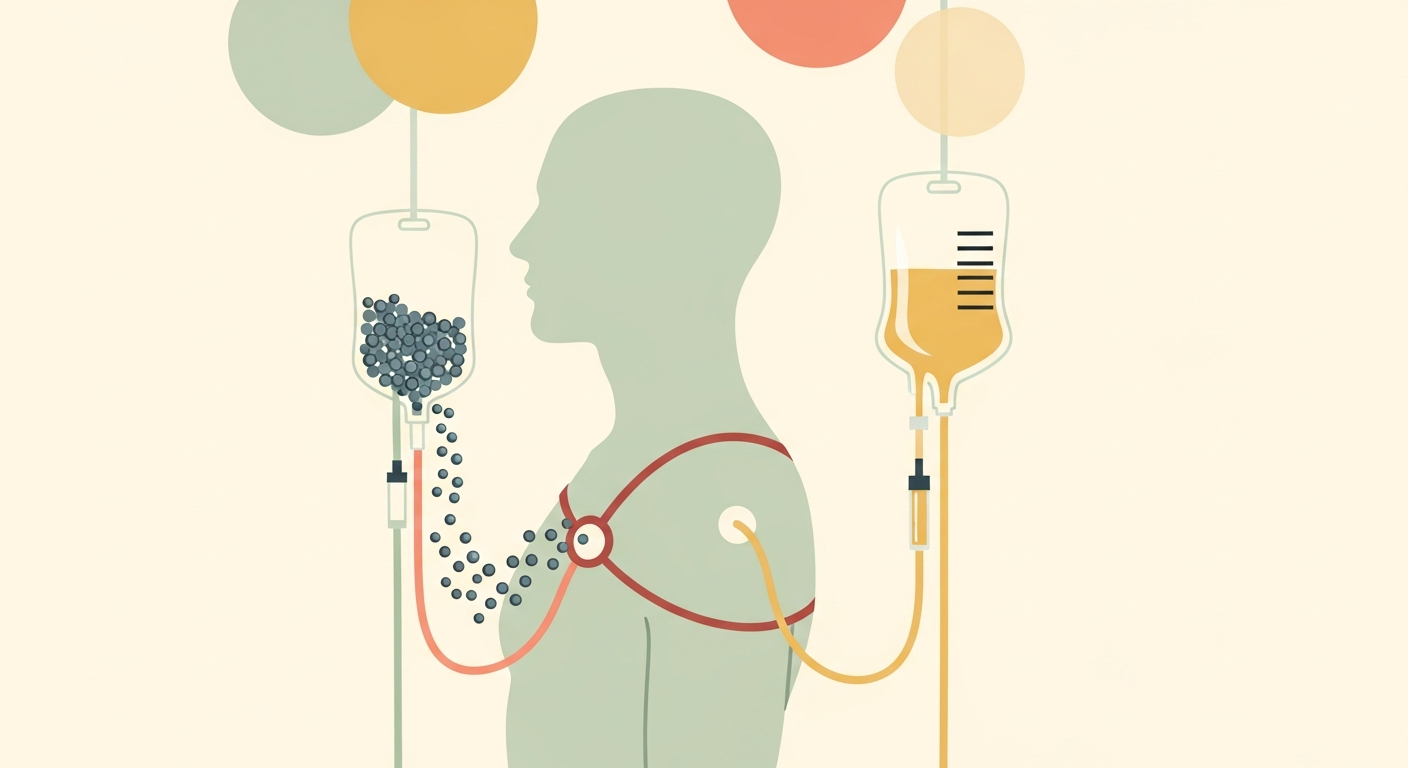
Therapeutic plasma exchange, also called plasmapheresis or apheresis, is a blood-filtering procedure that separates plasma—the liquid portion of your blood—from blood cells. During the process, problematic substances circulating in the plasma are removed and replaced with clean donor plasma or a plasma substitute, typically albumin solution.
The procedure works through these basic steps:
- Blood withdrawal: Blood is drawn from a vein, similar to donating blood
- Separation: A specialized machine separates plasma from red blood cells, white blood cells, and platelets
- Filtration: The plasma containing harmful substances is discarded
- Replacement: Clean replacement fluid is combined with your blood cells
- Return: The cleaned blood is returned to your body through the same or another vein
Each session typically takes two to three hours, and most treatment protocols involve multiple sessions over several weeks, depending on the condition being addressed and individual patient response.
What Conditions Can Therapeutic Plasma Exchange Treat?
The American Society for Apheresis publishes guidelines categorizing conditions by the strength of evidence supporting TPE. At our Santa Barbara clinic, we primarily utilize therapeutic plasma exchange for:
Autoimmune Conditions
TPE has demonstrated clinical benefit for numerous autoimmune diseases where the immune system produces antibodies that attack the body's own tissues. Research supports its use in:
- Myasthenia gravis
- Guillain-Barré syndrome
- Chronic inflammatory demyelinating polyneuropathy (CIDP)
- Anti-NMDA receptor encephalitis
- Goodpasture syndrome
- Thrombotic thrombocytopenic purpura (TTP)
- ANCA-associated vasculitis
By removing circulating autoantibodies, immune complexes, and inflammatory mediators, TPE can provide rapid symptom relief and prevent further tissue damage while other immunosuppressive therapies take effect.
Neurological Disorders
Emerging evidence suggests therapeutic plasma exchange may benefit certain neurological conditions, particularly those with an autoimmune or inflammatory component. Studies have explored TPE for acute disseminated encephalomyelitis, neuromyelitis optica, and multiple sclerosis during acute relapses.
Synthetic Chemical and Heavy Metal Detoxification
One of the most innovative applications of therapeutic plasma exchange involves removing synthetic chemicals and heavy metals from the bloodstream. A groundbreaking 2025 study published in Medical Hypotheses demonstrated that TPE can effectively remove persistent organic pollutants, including BPA, phthalates, glyphosate, parabens, and heavy metals like mercury and lead.
Santa Barbara residents may face environmental exposure to these substances through:
- Plastics and food packaging (BPA, phthalates)
- Agricultural pesticide drift (glyphosate, organophosphates)
- Personal care products (parabens, fragrance chemicals)
- Contaminated water sources (arsenic, lead)
- Historical industrial pollution
For patients with documented chemical burden and symptoms consistent with toxic exposure, TPE offers a direct method of reducing body load when conventional detoxification approaches have proven insufficient.
The TPE Experience: What Patients Can Expect
Understanding the treatment process helps patients prepare mentally and physically for therapeutic plasma exchange therapy.
Before Your First Session
Dr. Birch conducts a comprehensive evaluation including:
- Detailed medical history and symptom review
- Laboratory testing to confirm diagnosis and establish baseline values
- Assessment of vascular access (peripheral veins or central catheter needs)
- Discussion of treatment goals, session frequency, and expected outcomes
- Review of potential risks and side effects
Patients should arrive well-hydrated and having eaten a light meal. Loose, comfortable clothing with sleeves that roll up easily is recommended.
During the Procedure
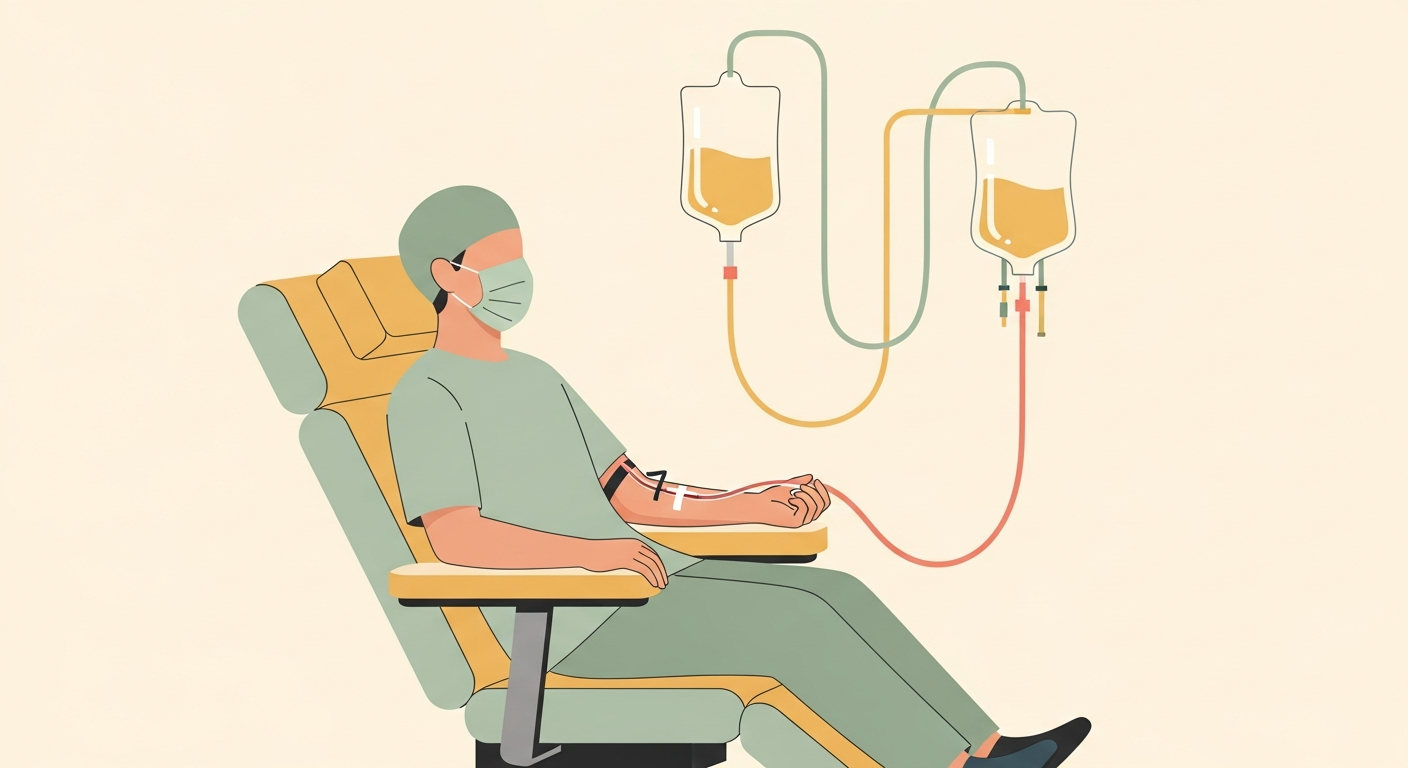
TPE sessions at Purety Clinic take place in a comfortable treatment room where patients can recline, read, listen to music, or rest. Most patients describe the experience as similar to dialysis—lengthy but not painful. Some people experience mild tingling due to the citrate anticoagulant used during the procedure, easily managed with calcium supplementation.
Vital signs are monitored throughout, and our clinical team remains present to ensure safety and comfort.
After Treatment
Most patients tolerate TPE well and can resume normal activities the same day, though some fatigue is common initially. Because plasma exchange removes not just harmful substances but also beneficial proteins, antibodies, and clotting factors, Dr. Birch carefully monitors labs between sessions and adjusts treatment protocols as needed.
Therapeutic Plasma Exchange vs. Other Detoxification Methods
Patients often ask how TPE compares to other detoxification approaches. Here's an objective comparison:
| Method | Mechanism | Evidence Level | Best Use |
|---|---|---|---|
| Therapeutic Plasma Exchange | Direct blood filtration and substance removal | High for autoimmune conditions; emerging for chemical detox | Acute autoimmune crisis, documented chemical burden |
| Sauna Therapy | Sweating to mobilize fat-soluble toxins | Moderate for certain persistent pollutants | Chronic low-level exposure, wellness maintenance |
| Chelation Therapy | Binding agents remove specific heavy metals | High for lead, moderate for mercury | Documented heavy metal toxicity |
| Nutritional Support | Enhancing liver detoxification pathways | Low to moderate (supporting evidence) | Supporting other methods, prevention |
For many patients, the most effective approach combines TPE with complementary naturopathic therapies including nutritional optimization, targeted supplementation, and lifestyle modification to prevent reaccumulation.
Why Choose Purety Clinic for Therapeutic Plasma Exchange in Santa Barbara?
Therapeutic plasma exchange requires specialized equipment, trained personnel, and clinical expertise. Purety Family Medical Clinic offers several distinct advantages for Santa Barbara area patients:
Naturopathic Integration: Unlike hospital-based TPE programs that focus narrowly on the procedure itself, Dr. Birch integrates plasma exchange into comprehensive treatment plans addressing root causes, supporting detoxification pathways, and optimizing overall health.
Personalized Protocols: Treatment frequency, volume exchanged, and replacement fluids are tailored to each patient's specific condition, body size, laboratory values, and treatment response rather than following rigid institutional protocols.
Accessibility: As one of the few outpatient clinics in California offering TPE outside hospital settings, we provide more flexible scheduling and a less clinical environment than typical hospital apheresis units.
Holistic Context: TPE sits within a broader menu of advanced therapies including ozone therapy, IV nutrient therapy, regenerative musculoskeletal medicine, and hormone optimization, allowing for truly integrative care.
Patient Education: We invest time ensuring patients understand their condition, the rationale for TPE, what to expect, and how to support their body's healing between sessions.
Research Supporting Therapeutic Plasma Exchange
The evidence base for TPE continues to expand. Key studies include:
The 2025 Medical Hypotheses study on synthetic chemical removal demonstrated measurable reduction in blood levels of BPA, phthalates, glyphosate, and parabens following a series of TPE treatments, with some patients reporting improvement in symptoms attributed to chemical toxicity including fatigue, cognitive dysfunction, and chronic pain.
A 2019 Cochrane review of plasma exchange for Guillain-Barré syndrome confirmed significant benefit, with TPE hastening recovery and reducing need for mechanical ventilation when started early in the disease course.
Research published in JAMA Neurology in 2016 showed that patients with acute inflammatory demyelinating disorders who failed to respond to corticosteroids experienced significant improvement when treated with TPE.
These studies underscore what clinical experience consistently demonstrates: for appropriately selected patients, therapeutic plasma exchange can produce meaningful clinical benefit, sometimes dramatically so.
Is Therapeutic Plasma Exchange Right for You?
TPE may warrant consideration if you:
- Have an autoimmune condition with acute exacerbation or inadequate response to conventional therapy
- Have documented high levels of synthetic chemicals or heavy metals with associated symptoms
- Face neurological symptoms consistent with antibody-mediated disease
- Have exhausted other treatment options without satisfactory improvement
- Are seeking comprehensive care that addresses underlying mechanisms rather than just suppressing symptoms
The decision to pursue TPE should follow thorough evaluation and discussion with a qualified physician familiar with both the procedure's capabilities and limitations. Not every patient with an autoimmune condition requires plasma exchange, and not every patient with chemical exposure will benefit from it.
Getting Started with TPE at Purety Clinic
If you're exploring therapeutic plasma exchange in Santa Barbara, the first step is a comprehensive consultation with Dr. Birch. This initial visit allows for detailed review of your medical history, current symptoms, previous treatments, and treatment goals.
Dr. Birch will order appropriate laboratory testing to confirm diagnosis and assess suitability for TPE. For some conditions, this includes specialized autoantibody panels; for chemical detoxification, it may involve testing blood or urine levels of specific toxins.
Based on this evaluation, Dr. Birch will recommend whether TPE is appropriate for your situation, how many sessions might be beneficial, and what complementary therapies would support optimal outcomes.
Santa Barbara patients appreciate the convenience of receiving advanced therapies locally rather than traveling to Los Angeles or San Francisco. Purety Clinic is located at 2323 Oak Park Lane, Suite 102, Santa Barbara, CA 93105, easily accessible from downtown Santa Barbara, Montecito, Goleta, and Carpinteria.
Take the Next Step
If you're dealing with a complex autoimmune condition, neurological symptoms, or documented chemical toxicity, therapeutic plasma exchange may offer a path forward when other approaches have fallen short. Dr. Jonathan Birch and the team at Purety Family Medical Clinic bring both clinical expertise and a commitment to treating the whole person, not just the disease.
To schedule a consultation and discuss whether therapeutic plasma exchange is appropriate for your situation, call our Santa Barbara office at (805) 500-8300. Our team will answer your initial questions and help you determine next steps.
Visit us at 2323 Oak Park Lane, Suite 102, Santa Barbara, CA 93105, or learn more about our approach to plasma exchange therapy at puretyclinic.com/therapeutic-plasma-exchange.