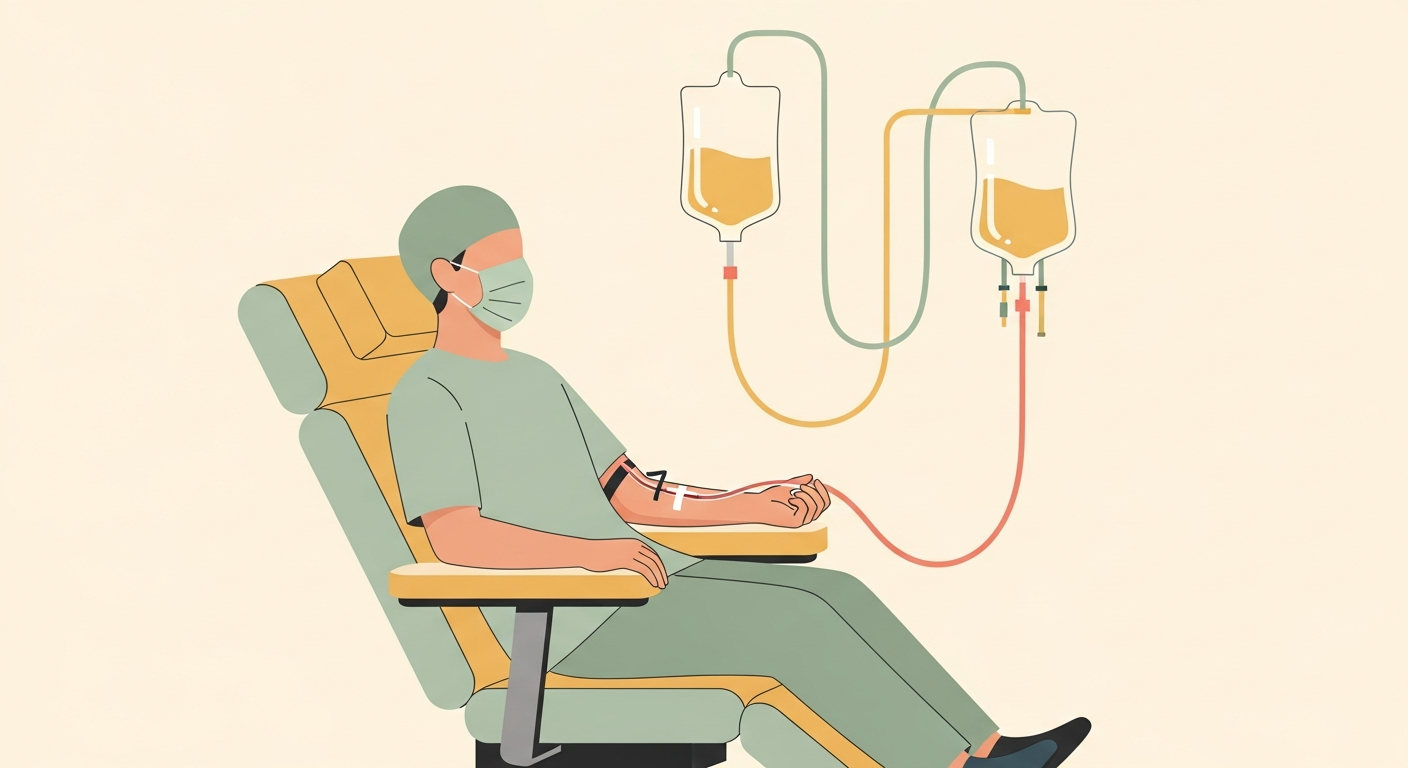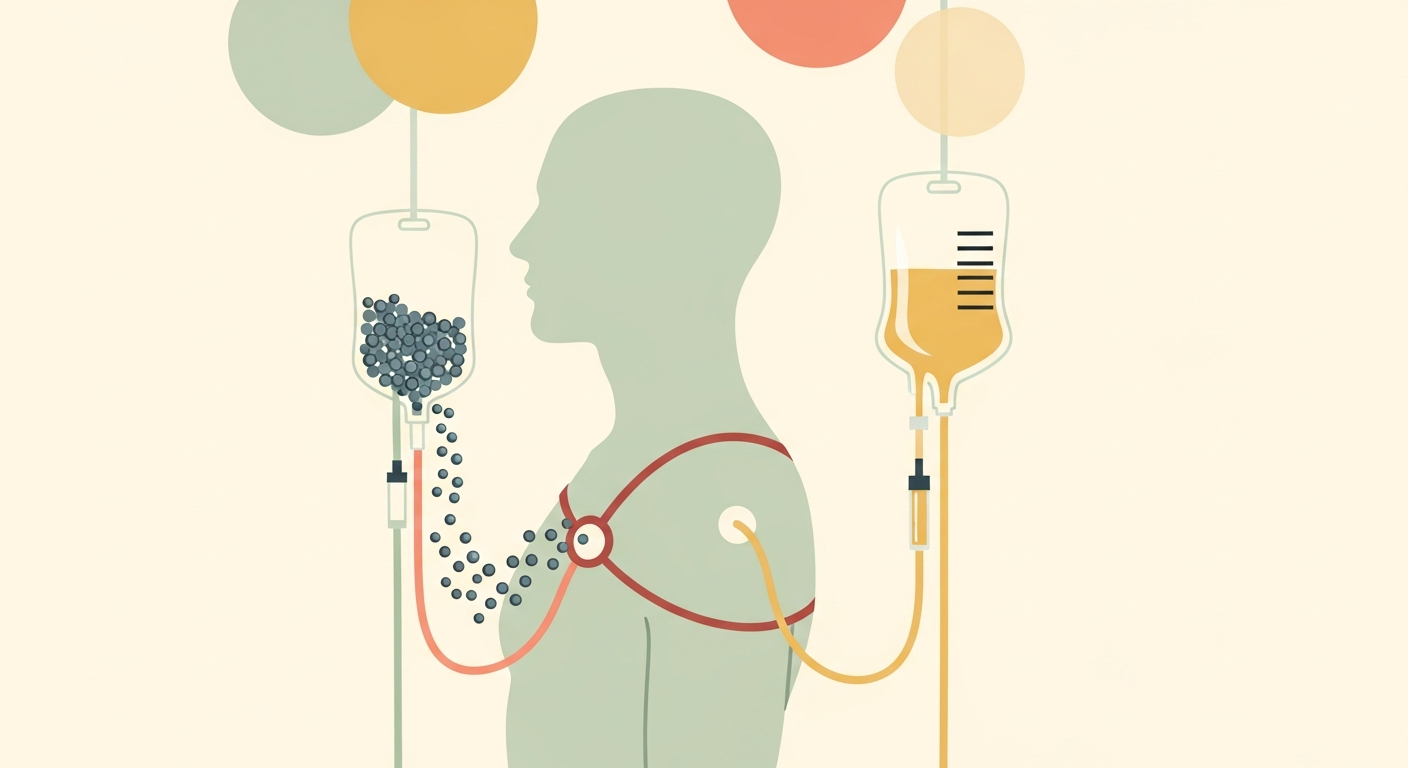
The Charité – Universitätsmedizin Berlin extracorporeal apheresis program has become one of the most closely watched clinical efforts in TPE long COVID treatment. Between 2020 and 2023, researchers there documented outcomes in patients with post-acute sequelae of SARS-CoV-2 infection (PASC) and myalgic encephalomyelitis/chronic fatigue syndrome (ME/CFS) who underwent therapeutic plasma exchange. Their findings, published in peer-reviewed journals and presented at international conferences, provide the clearest clinical picture yet of how TPE may benefit a subset of Long COVID patients.
The Autoantibody Hypothesis in Long COVID
Central to the Charité work is the hypothesis that circulating autoantibodies—antibodies the immune system produces against the body's own proteins—drive persistent symptoms in some Long COVID patients. Research from 2021 through 2024 has identified elevated levels of autoantibodies against G-protein-coupled receptors (GPCRs), endothelial cells, and autonomic nervous system targets in subsets of PASC patients.
These autoantibodies may explain:
- Dysautonomia and POTS: Autoantibodies against adrenergic and muscarinic receptors can disrupt blood pressure regulation and heart rate variability.
- Endothelial dysfunction: Antibodies targeting endothelial proteins contribute to microvascular injury and impaired oxygen delivery.
- Cognitive impairment: Neuronal autoantibodies correlate with brain fog, memory problems, and executive dysfunction.
- Fatigue and post-exertional malaise: Autoimmune interference with cellular energy metabolism may underlie the hallmark symptom of ME/CFS-type presentations.
The Charité team reasoned that if pathogenic autoantibodies were driving symptoms, removing them via therapeutic plasma exchange might produce clinical benefit.
The Charité Berlin TPE Protocol for Long COVID
The Berlin group used a standardized apheresis protocol for their Long COVID and ME/CFS patients:
- Treatment frequency: Typically 5–10 sessions over 2–4 weeks
- Plasma volume exchanged: 1.0–1.5 plasma volumes per session
- Replacement fluid: Human albumin 5% with electrolyte supplementation
- Patient selection: Patients with documented autoantibody elevation and symptom duration >6 months who had failed standard post-COVID rehabilitation
Importantly, the protocol was conducted in a university hospital setting with full monitoring and laboratory support. This is not outpatient apheresis—Charité has the infrastructure for real-time autoantibody testing and intensive symptom tracking.
Published Outcomes: What Improved and What Didn't
In case series published in 2022 and 2023, the Charité investigators reported clinical improvements in approximately 40–60% of treated Long COVID patients. The most consistent gains were seen in:
| Symptom Domain | Response Rate | Notes |
|---|---|---|
| Fatigue severity | Moderate to marked improvement in ~50% | Measured by Chalder Fatigue Scale and Bell Disability Scale |
| Cognitive function | Improvement in ~45% | Self-reported brain fog reduction; objective testing showed modest gains |
| Autonomic symptoms | Improvement in ~55% | POTS symptoms, orthostatic intolerance, heart rate variability |
| Exercise tolerance | Variable, ~30–40% improvement | Some patients reported reduced post-exertional malaise |
The Berlin team noted that patients with higher baseline autoantibody titers and shorter symptom duration (6–12 months vs. >24 months) tended to respond better. Relapse occurred in some patients 3–6 months post-treatment, prompting discussion of maintenance TPE protocols.
The Microclot Hypothesis: Does TPE Remove Them?
A parallel line of research, primarily from South African and UK groups (Pretorius, Kell, et al.), has identified persistent microclots in Long COVID patient blood samples. These fibrin-rich, amyloid-like clots resist normal fibrinolysis and may trap inflammatory molecules, impairing oxygen exchange at the capillary level.
While TPE removes circulating plasma proteins—including fibrinogen and some clotting factors—it is unclear whether therapeutic plasma exchange directly clears existing microclots or simply reduces the substrate for new clot formation. The Charité group has acknowledged this mechanism as plausible but secondary to their primary focus on autoantibodies.
Research from 2024 suggests that microclots may reform unless the underlying inflammatory trigger is addressed. This may explain why some TPE responders experience symptom recurrence.
TPE for Long COVID at Purety: What We Offer in Santa Barbara
At Purety Family Medical Clinic in Santa Barbara, we offer therapeutic plasma exchange for patients with post-acute COVID-19 syndrome who meet specific clinical criteria. Dr. Jonathan Birch, NMD, RMSK, evaluates each case individually, reviewing symptom history, laboratory evidence of immune dysregulation, and prior treatment response.
Our TPE protocol for Long COVID includes:
- Comprehensive pre-treatment workup: autoantibody panels, inflammatory markers, coagulation studies, and autonomic function testing where indicated
- Outpatient apheresis sessions conducted in our Santa Barbara clinic at 2323 Oak Park Ln Suite 102
- Albumin-based plasma replacement with electrolyte and mineral repletion
- Concurrent naturopathic support: ozone therapy, IV nutrient protocols, gut restoration, and mitochondrial optimization to address systemic inflammation and support recovery
- Serial symptom tracking and functional capacity assessment
We do not claim that TPE cures Long COVID. Early evidence from the Charité Berlin program and other centers indicates that a subset of patients—particularly those with autoantibody-mediated pathology—may experience meaningful symptom reduction. Response is individual and not guaranteed.
Insurance, Cost, and Patient Selection
Therapeutic plasma exchange for Long COVID is not covered by insurance in our outpatient setting. While hospital-based TPE is sometimes reimbursed for FDA-approved indications (such as certain autoimmune neurological conditions), post-COVID syndrome is not among them. Patients considering TPE should plan for out-of-pocket costs and discuss financial details during their initial consultation.
Dr. Birch's approach is conservative. Not every Long COVID patient is a TPE candidate. We prioritize patients who:
- Have moderate to severe persistent symptoms despite 6+ months of standard care
- Show laboratory evidence of immune dysregulation (elevated autoantibodies, inflammatory markers, or clotting abnormalities)
- Have failed or plateaued with other interventions (rehabilitation, antivirals, immune modulators)
- Are medically stable enough to tolerate apheresis
We do not offer TPE to patients with active infections, severe coagulopathy, or those who are not yet 6 months post-acute infection (early Long COVID may still improve spontaneously or with less invasive treatments).
Limitations of the Current Evidence
It is important to set realistic expectations. The Charité Berlin research, while encouraging, has limitations:
- No randomized controlled trials yet: Published data are case series and cohort studies. A sham-controlled RCT would provide stronger evidence but is ethically and logistically complex.
- Patient heterogeneity: "Long COVID" is not one condition. Patients with dominant autoimmune features may respond differently than those with viral persistence, microclots, or dysautonomia alone.
- Unclear durability: Some patients experience symptom recurrence. Optimal TPE frequency, maintenance protocols, and combination therapies are still being studied.
- High cost and limited access: TPE requires specialized equipment, trained staff, and significant time investment. Most Long COVID patients do not have access to this intervention.
The Berlin investigators themselves have called for multi-center trials and better phenotyping of responders. They do not advocate TPE as first-line treatment for all Long COVID patients.
Combining TPE with Naturopathic and Regenerative Therapies
At Purety, we view TPE as one tool within a broader integrative strategy. Long COVID recovery often requires addressing multiple pathophysiologic mechanisms simultaneously:
- Ozone therapy: Improves oxygen utilization, modulates inflammation, and may address persistent viral reservoirs.
- IV nutrient therapy: Replenishes depleted micronutrients (vitamin C, glutathione, B vitamins, magnesium) essential for mitochondrial function and immune regulation.
- Gut restoration: SARS-CoV-2 alters the microbiome; restoring intestinal barrier integrity and microbial diversity supports systemic immune balance.
- Mitochondrial support: CoQ10, NAD+, alpha-lipoic acid, and other nutraceuticals target post-viral fatigue at the cellular level.
Dr. Birch's clinical observation is that patients who combine TPE with these supportive therapies tend to sustain improvements longer than those who undergo apheresis alone.
What to Expect During a TPE Consultation at Purety
If you are considering TPE long COVID treatment in Santa Barbara, your first step is a comprehensive consultation with Dr. Birch. This typically involves:
- Detailed symptom timeline and medical history review
- Physical examination and, if indicated, musculoskeletal ultrasound (Dr. Birch is a Registered Musculoskeletal Sonographer)
- Laboratory workup: autoantibody panels, inflammatory markers, viral antibody titers, coagulation studies, hormonal and nutritional status
- Discussion of prior treatments, current medications, and realistic outcome expectations
- Personalized treatment plan, including whether TPE is appropriate, how many sessions, and what adjunctive therapies to integrate
We do not rush patients into TPE. Some patients benefit more from starting with less invasive interventions—ozone, IV therapy, gut work—and reserving apheresis for later if needed.
Schedule Your Long COVID Consultation in Santa Barbara
The Charité Berlin research has demonstrated that therapeutic plasma exchange can produce meaningful symptom improvement in a subset of Long COVID patients, particularly those with autoantibody-driven pathology. While TPE is not a guaranteed cure and is not appropriate for every patient, it represents one of the most evidence-informed interventions available for severe, treatment-resistant post-COVID syndrome.
At Purety Family Medical Clinic, we offer TPE for carefully selected Long COVID patients as part of a comprehensive naturopathic and regenerative medicine approach. If you have been struggling with persistent fatigue, cognitive impairment, dysautonomia, or other Long COVID symptoms and are interested in exploring whether TPE might be appropriate for your case, we invite you to schedule a consultation with Dr. Jonathan Birch.
Our clinic is located at 2323 Oak Park Ln Suite 102, Santa Barbara, CA 93105. Call (805) 500-8300 to discuss your case with our team or visit puretyclinic.com/tpe-for-long-covid to learn more about our Long COVID treatment protocols.