One of the most consistent findings in the Long COVID research literature is that the gut microbiome of patients with persistent post-COVID symptoms looks measurably different from people who fully recovered. Whether and how to act on that finding is one of the most active questions in post-viral medicine — and one we're asked about almost daily at our clinic.
What the Microbiome Research Shows in Long COVID
Multiple studies, including a notable 2022 publication in Gut from a Hong Kong research group, have documented that patients with Long COVID show distinct alterations in gut microbiome composition compared to people who recovered without lingering symptoms. Specifically, the research has identified depletion of beneficial commensal species — Bifidobacterium adolescentis, Faecalibacterium prausnitzii, and several butyrate-producing bacteria — alongside enrichment of opportunistic species.
Critically, these microbiome alterations were correlated with specific symptom clusters. Patients with persistent respiratory symptoms showed different microbiome signatures than those with predominantly neurological or fatigue symptoms, suggesting that gut dysbiosis may not just be a marker of Long COVID but may be mechanistically tied to which symptoms patients develop.
Why the Gut Matters in Post-Viral Illness
SARS-CoV-2 directly infects gut tissue. The ACE2 receptor that the virus uses to enter cells is highly expressed in the intestinal lining, and viral RNA has been detected in stool samples for months after recovery from acute infection. This persistent viral presence in the gut is one proposed driver of ongoing inflammation in Long COVID.
Beyond direct viral effects, the gut microbiome plays a central role in regulating immune function, controlling systemic inflammation, and maintaining the integrity of the intestinal barrier. When dysbiosis develops — whether from the infection itself, antibiotic use during hospitalization, or prolonged stress — the resulting immune dysregulation may contribute to many of the symptoms patients with Long COVID describe: fatigue, cognitive symptoms ("brain fog"), POTS-like autonomic dysfunction, and persistent GI complaints.
The FMT Research So Far
Direct clinical trials of FMT for Long COVID are still early. A 2023 pilot study published in Frontiers in Medicine reported on a small cohort of Long COVID patients who received FMT, with the investigators documenting improvements in fatigue scores, GI symptoms, and inflammatory markers at the three-month follow-up. Multiple larger trials are now underway.
Importantly, a 2023 randomized trial published in The Lancet Infectious Diseases tested oral microbiome-restoration capsules (a related but distinct intervention) in patients with persistent post-COVID symptoms and found significant improvements in fatigue, gastrointestinal symptoms, and overall quality of life compared to placebo. While this used a defined microbial product rather than full FMT, it provided important proof-of-concept evidence that microbiome-targeted interventions can meaningfully help Long COVID patients.
Where FMT Fits in a Comprehensive Plan
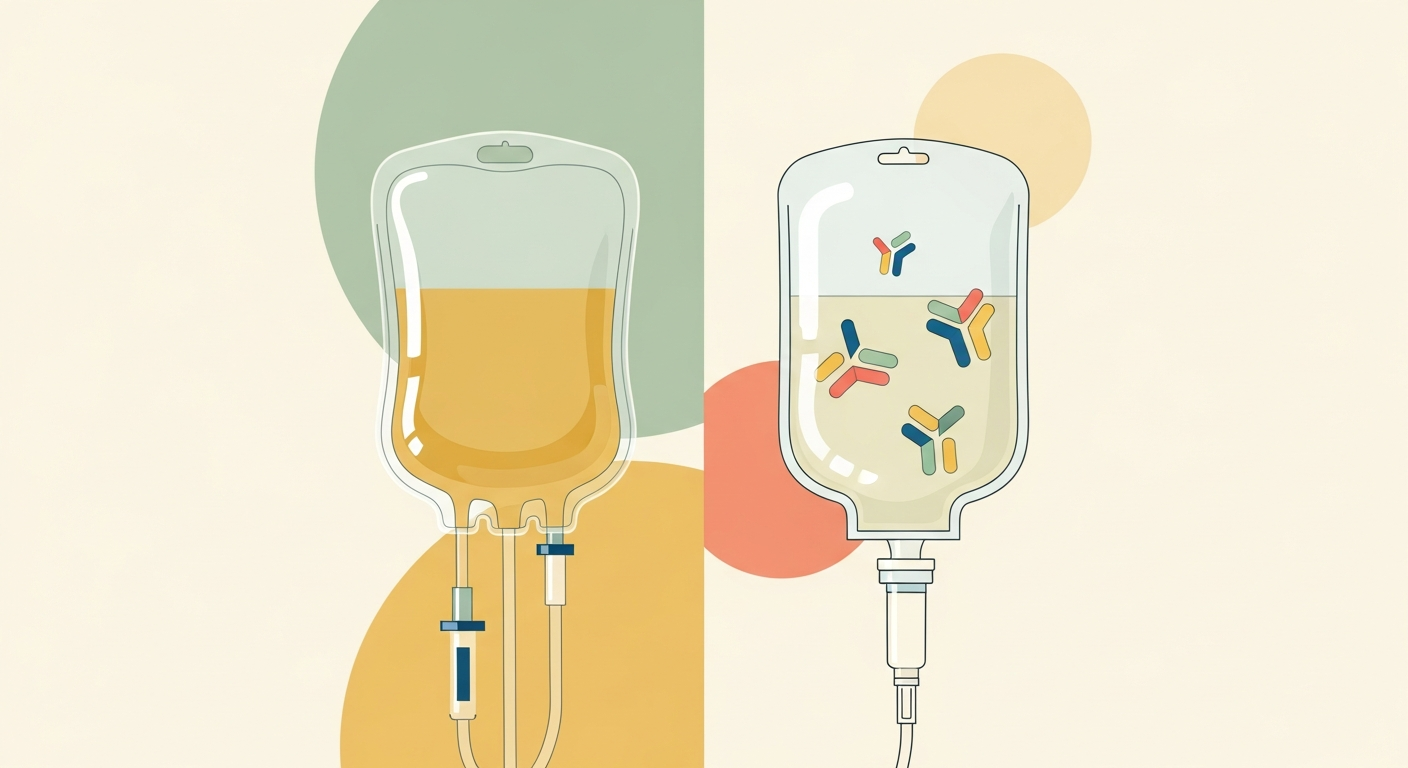
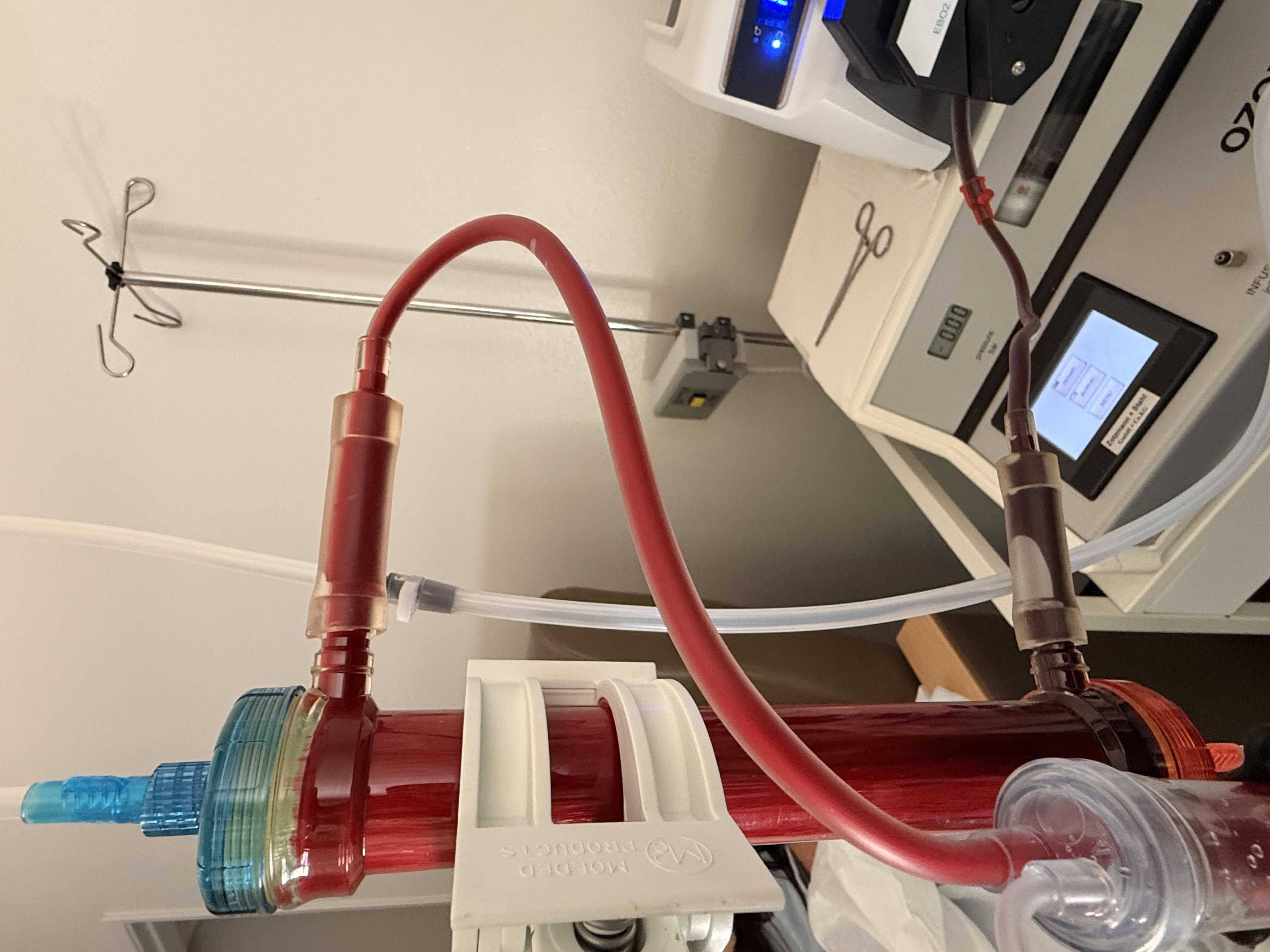
At our clinic, we approach Long COVID as a complex, multi-system condition that rarely responds to a single intervention. FMT may be one component of a broader plan that often includes addressing autoimmunity (we use therapeutic plasma exchange for select patients with antibody-mediated symptoms), managing oxidative stress (with EBOO ozone therapy), supporting mitochondrial function, and treating identified specific conditions like reactivated viral infections or mast cell activation.
Patients who appear to be reasonable candidates for FMT in this context typically have prominent GI symptoms, evidence of dysbiosis on testing, and incomplete response to other interventions. We don't position FMT as a Long COVID cure, and we're transparent that the evidence base is still evolving.
Realistic Expectations
Long COVID is heterogeneous — different patients have different underlying drivers, and what helps one person may not help another. The honest answer about FMT for Long COVID is that the early evidence is encouraging, the mechanism is plausible, but the data isn't yet at the level we'd consider definitive. Patients deserve clinicians who will say this clearly rather than overpromise.
If you've been struggling with Long COVID and want to discuss whether microbiome-focused approaches make sense for your situation, schedule a consultation. We'll review your history, look at the evidence honestly, and help you make a clear-headed decision about next steps.