Therapeutic Plasma Exchange for POTS & Dysautonomia
Outpatient TPE for autoantibody-mediated POTS — particularly cases refractory to beta-blockers, midodrine, and standard volume strategies.
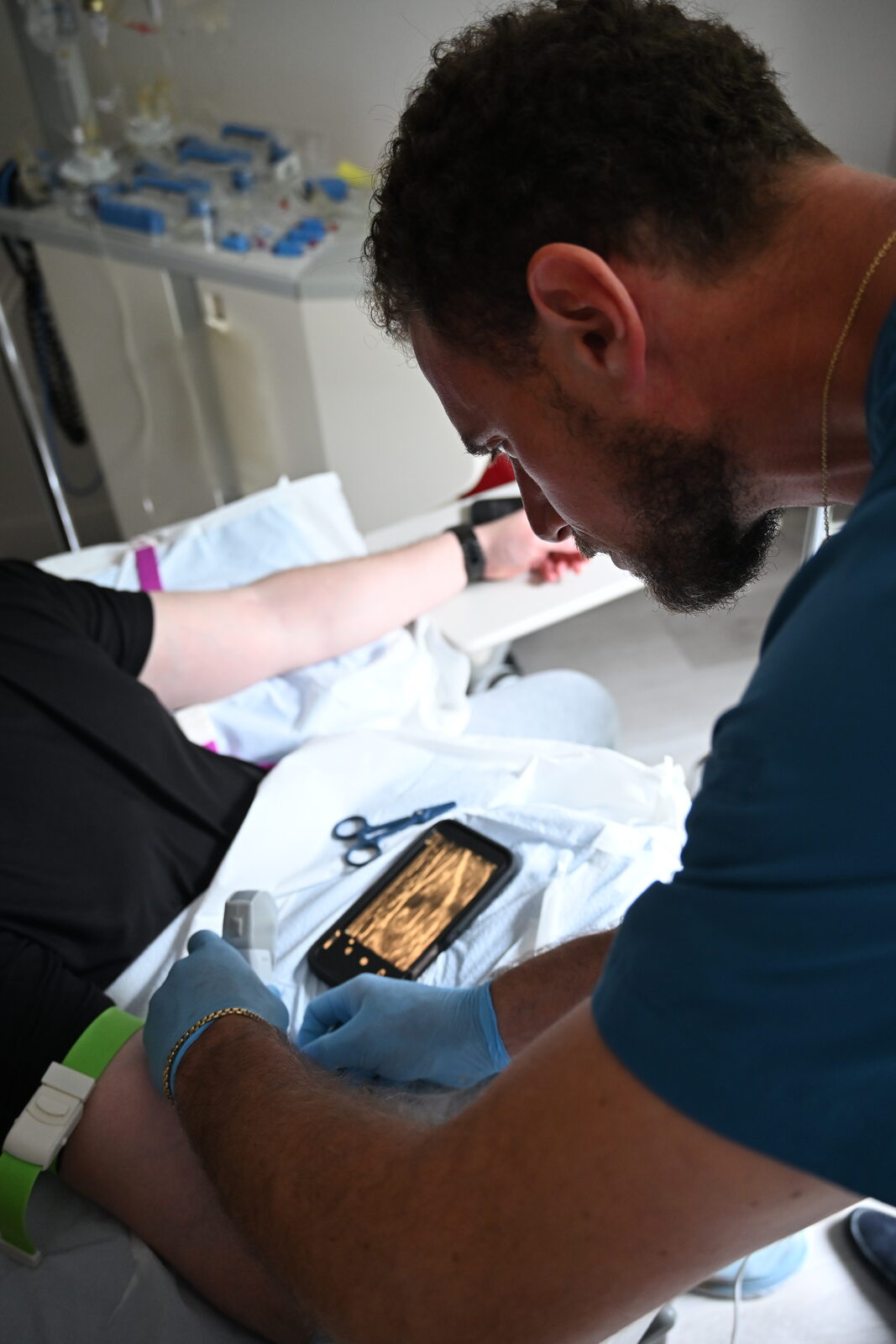
Ultrasound-Guided Access. Every Time.
Therapeutic plasma exchange requires reliable, high-flow venous access. At Purety Clinic, Dr. Birch personally performs ultrasound-guided cannulation for every TPE session — visualizing the vessel in real time before placement.
The result is a faster, more comfortable stick, fewer attempts, and dramatically less bruising or vessel trauma than blind sticks. It's the same standard of care used in hospital apheresis suites — delivered in a calm outpatient setting, by the physician treating you.
Important: Therapeutic plasma exchange is not covered by insurance in our outpatient setting. TPE at Purety Clinic is fee-for-service. We provide transparent pricing at consultation and a superbill you may submit for potential out-of-network reimbursement.
Why TPE for POTS
A growing body of work — most notably from Dr. Steven Vernino's lab at UT Southwestern and from Dr. Artur Fedorowski in Sweden — has documented that a meaningful subset of POTS patients carry autoantibodies against G-protein-coupled receptors (GPCRs), particularly the alpha-1 adrenergic and muscarinic acetylcholine receptors. These autoantibodies appear to drive the abnormal autonomic responses that define POTS: tachycardia on standing, presyncope, exercise intolerance, and brain fog.
Standard POTS treatment is symptomatic — increase salt and fluids, use beta-blockers or ivabradine to slow the heart rate, use midodrine to vasoconstrict, use compression garments. None of these address the underlying autoantibodies. For the autoantibody-positive subset, the disease keeps regenerating its own driver.
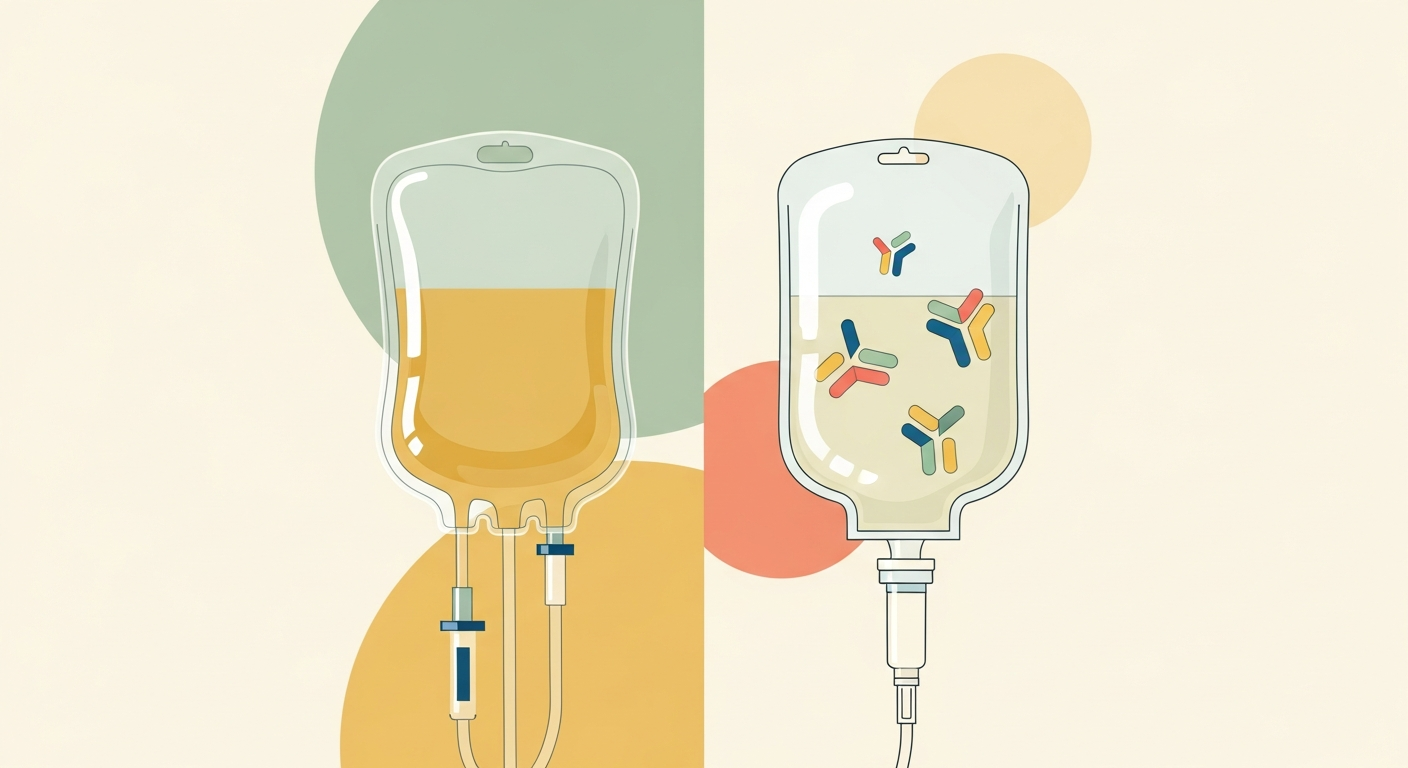
TPE physically removes these GPCR autoantibodies along with the rest of the plasma protein fraction, replacing them with sterile albumin. For patients who have been confirmed antibody-positive — or who have a clinical pattern strongly suggestive of an autoimmune POTS subtype — TPE offers a mechanistic intervention rather than another symptom-suppressor.
What the Research Shows
Vernino and colleagues established the autoimmune POTS framework in the early 2010s and have continued to characterize the GPCR autoantibody profile. European groups have used immunoadsorption (a close cousin of TPE) to deplete these antibodies and have documented clinical improvement in autoantibody-positive POTS patients. Case reports and small series of TPE specifically for POTS have shown improvement in heart rate response, orthostatic tolerance, and quality of life.
The post-COVID rise in new-onset POTS has further increased interest in plasma-based approaches, given the well-documented overlap between Long COVID and dysautonomia in the same patients. Many of our POTS-driven TPE consultations come from this population.
POTS is not currently an FDA-approved indication for TPE. Treatment at Purety Clinic is off-label, evidence-informed, and provided with full informed consent.
Who Is a Candidate for TPE for POTS?
- Confirmed POTS diagnosis (tilt-table positive or 10-minute stand test consistent)
- Refractory to or intolerant of standard POTS pharmacotherapy (beta-blockers, midodrine, ivabradine, fludrocortisone)
- GPCR autoantibody panel positive, OR clinical pattern strongly suggestive of autoimmune subtype (post-viral onset, family history of autoimmunity, co-existing autoimmune disease)
- Adequate venous access for peripheral apheresis (we screen at consult)
- Realistic expectations and willingness to undergo lab monitoring throughout the protocol
Final candidacy is determined at consultation by Dr. Birch after review of your full clinical history, lab work, and treatment goals. TPE is not appropriate for every patient and we will tell you so directly when it is not the right tool.
What the POTS Protocol Looks Like
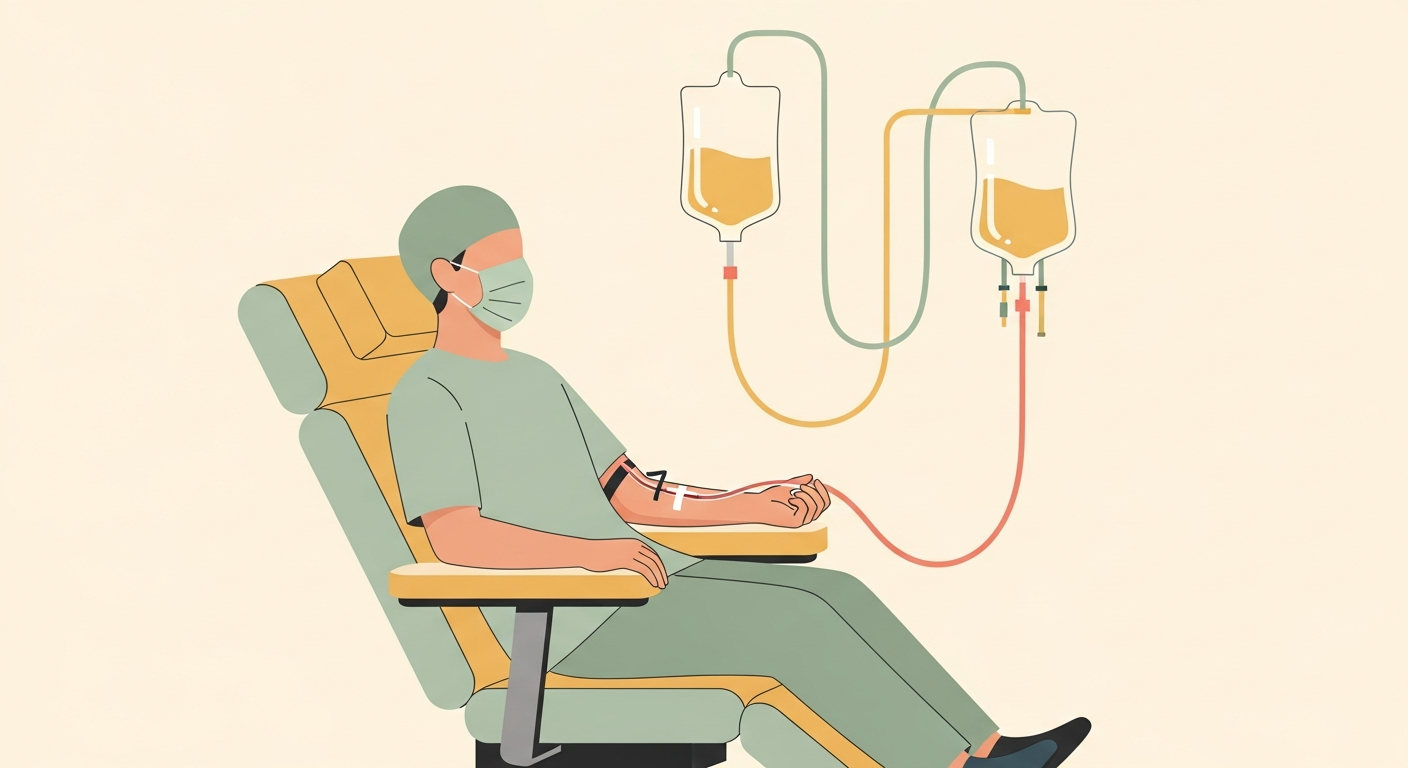
A typical autoimmune POTS protocol involves 5 to 7 outpatient TPE sessions delivered weekly or every other week, depending on severity and response. Many patients receive concurrent IV hydration on non-TPE days during the active treatment phase to stabilize volume status.
Lab and clinical reassessment happen after the initial course. Patients who improve are commonly maintained with one session every 4–8 weeks, tailored to symptom recurrence and antibody trajectory. Standard POTS pharmacotherapy is continued throughout unless Dr. Birch and the patient mutually decide to taper.
Curious about the TPE procedure itself?
See our complete therapeutic plasma exchange overview, including how each session works, what the equipment looks like, and what to expect on the day of your visit.
Read the Full TPE OverviewComing from the LA area? See therapeutic plasma exchange for Los Angeles & South Bay patients.
Frequently Asked Questions: TPE for POTS
From the Blog
All Articles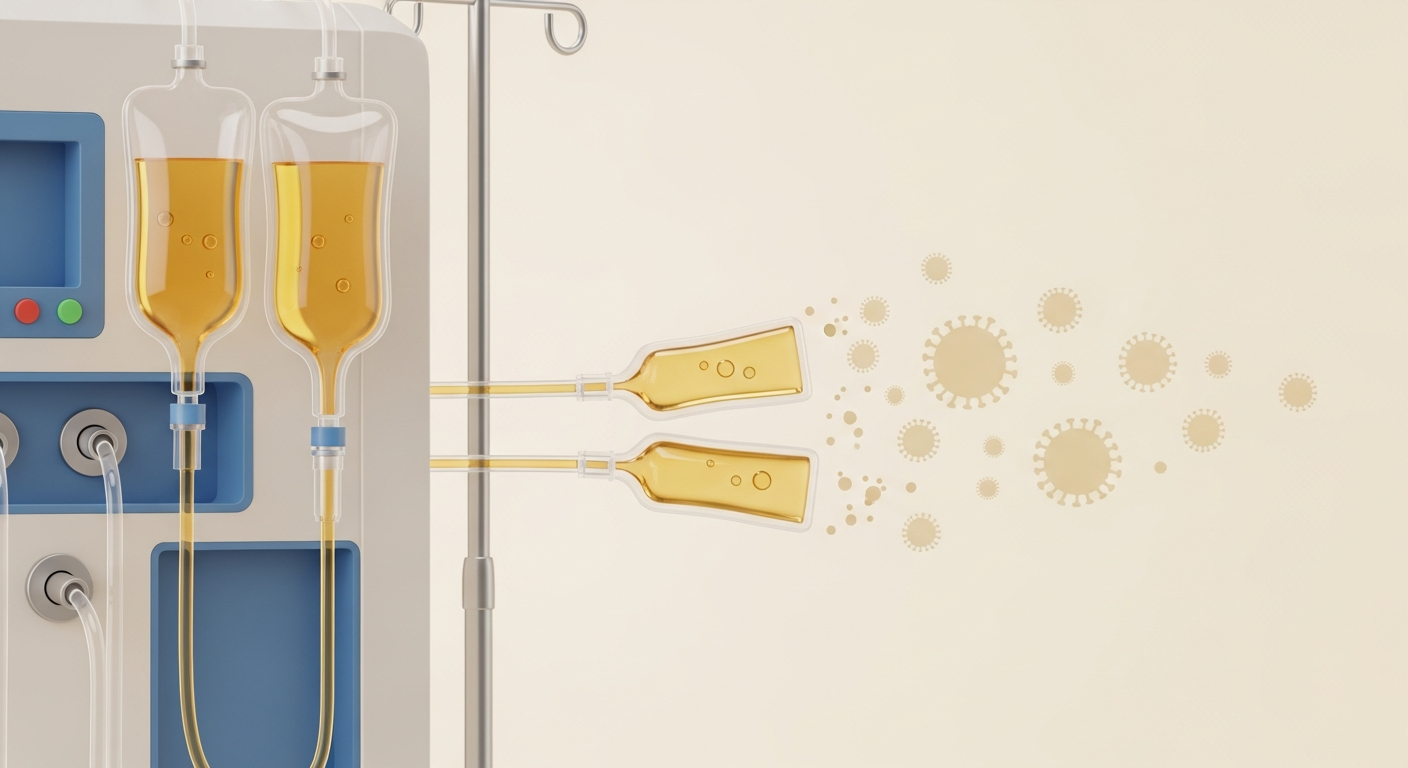
Two Licensed Naturopathic Medical Doctors. One Practice.
The naturopathic medical doctors caring for our patients at Purety Family Medical Clinic.
Dr. Jonathan Birch, NMD, RMSK
Founder · Naturopathic Medical Doctor
Licensed Naturopathic Medical Doctor and Registered in Musculoskeletal Sonography. Practicing root-cause integrative medicine since 2014. Areas of focus include FMT and microbiome restoration, hormone and thyroid optimization, autoimmune and Long COVID protocols, ozone and IV nutrient therapy, and PRP and regenerative injections.
Read Dr. Birch's full bioDr. Dena Birch, NMD
Naturopathic Medical Doctor · Women's Health & Pediatrics
Licensed Naturopathic Medical Doctor leading our women's health and holistic pediatric care. Areas of focus include perimenopause and bioidentical hormone therapy, PCOS and thyroid, fertility support, pediatric eczema, immune issues and recurrent infections, and gentle well-child care for families.
Read Dr. Dena's full bioDiscuss TPE for POTS with Dr. Birch
Call (805) 500-8300 or submit a consultation request. Remote consultations available for patients outside Santa Barbara.
(805) 500-8300