If you've been struggling with unexplained fatigue, cognitive impairment, joint pain, and sensitivity to light or sound — and your conventional labs have come back normal — you may have heard of CIRS (Chronic Inflammatory Response Syndrome), also called mold illness or biotoxin illness. Finding a qualified specialist is the hardest part. This guide is designed to help.
What Is CIRS and Why Is It Frequently Missed?
CIRS is a multi-system inflammatory condition caused by exposure to biotoxins — typically mold and mycotoxins from water-damaged buildings, though other biotoxins (cyanobacteria, dinoflagellates, Lyme-related toxins) can trigger the same syndrome. It was formally described by Dr. Ritchie Shoemaker, MD, whose research over the past two decades has established CIRS as a distinct, diagnosable, and treatable condition.
The reason CIRS is so frequently missed is that it doesn't fit conventional diagnostic categories. Patients have normal CBC, CMP, and thyroid panels. They're often told their symptoms are anxiety, depression, or stress. Meanwhile, specific inflammatory biomarkers — VIP, MSH, VEGF, TGF-β1, C4a, MMP-9, and others — are markedly abnormal. These markers are not part of any standard workup, which means patients can spend years in the conventional system without ever receiving an accurate diagnosis.
What Credentials Should a CIRS Doctor Have?
There is no single "CIRS board certification," but there are meaningful markers of qualification:
1. Familiarity with the Shoemaker Protocol
The Shoemaker Protocol is the most evidence-based treatment framework for CIRS. It involves a sequential, step-by-step approach that includes environmental removal, binders, VIP (Vasoactive Intestinal Polypeptide) therapy, and targeted biomarker correction. A qualified CIRS practitioner doesn't need to follow the protocol exactly — but they should be deeply familiar with it, understand the rationale behind each step, and be able to explain where they agree or diverge from the standard approach.
If a provider has never heard of the Shoemaker Protocol or dismisses it without a clear scientific rationale, that's a significant red flag.
2. Experience Ordering the Full CIRS Biomarker Panel
A genuine CIRS evaluation involves specific laboratory testing that goes well beyond standard bloodwork. This includes: MSH (Melanocyte-Stimulating Hormone), VIP, VEGF (Vascular Endothelial Growth Factor), TGF-β1, C4a, MMP-9, ADH/osmolality, NeuroQuant MRI (for specific brain volume measurements), and the Visual Contrast Sensitivity (VCS) test.
These markers tell a story about the state of the neuroimmune system, hypothalamic-pituitary-adrenal axis, and vascular function. Running only "mold allergy" testing (IgE to Aspergillus and other molds) is a fundamentally different thing — allergy testing for environmental mold does not diagnose CIRS and will miss the condition in most patients.
3. An Environmental Remediation Framework
Treatment doesn't work without removing the source of exposure. A qualified CIRS practitioner understands this and will not begin treatment without addressing the environment. This typically involves an ERMI (Environmental Relative Moldiness Index) test or inspection by a qualified IEP (Independent Environmental Professional) — not the mold inspector hired by the building owner.
If a provider is willing to treat CIRS without addressing environmental exposure, they either don't understand the condition or are prioritizing their supplement revenue over your health.
Red Flags to Watch Out For
The CIRS and mold illness space attracts practitioners who are not genuinely qualified. Here are specific warning signs:
- Treatment is primarily a supplement protocol. While certain supplements (binders, antioxidants) play a supportive role in CIRS management, a practice that diagnoses you over the phone and ships you a $500 supplement package is not providing CIRS care. It's selling supplements.
- No follow-up testing. CIRS treatment is guided by biomarkers. If a provider never repeats the lab panel or never orders NeuroQuant MRI to track progress, they are not managing CIRS — they're treating symptoms.
- Guaranteed cure in a fixed time period. CIRS recovery is highly variable and depends on the duration and intensity of exposure, genetic susceptibility (HLA-DR genotype), and how thoroughly the environment is addressed. Any provider promising a "3-month cure" is not being honest with you.
- No discussion of HLA-DR genotype. A significant subset of CIRS patients have an HLA-DR variant that makes them genetically susceptible — meaning their immune systems cannot clear biotoxins normally. A qualified practitioner will test for this and incorporate it into their treatment plan.
What a First Appointment Should Look Like
A genuine first appointment with a CIRS specialist should take at least 60–90 minutes. The provider should review your full symptom history, residential and occupational history (any water damage, musty smells, flooding?), prior testing, and current medications. They should explain the VCS test, the biomarker panel, and their diagnostic framework.
They should also discuss environmental testing — what you should do to evaluate your current living or working environment — before prescribing anything.
If the appointment is 15 minutes and ends with a supplement prescription, that's not a CIRS specialist.
Ozone Therapy's Role in Mold Illness
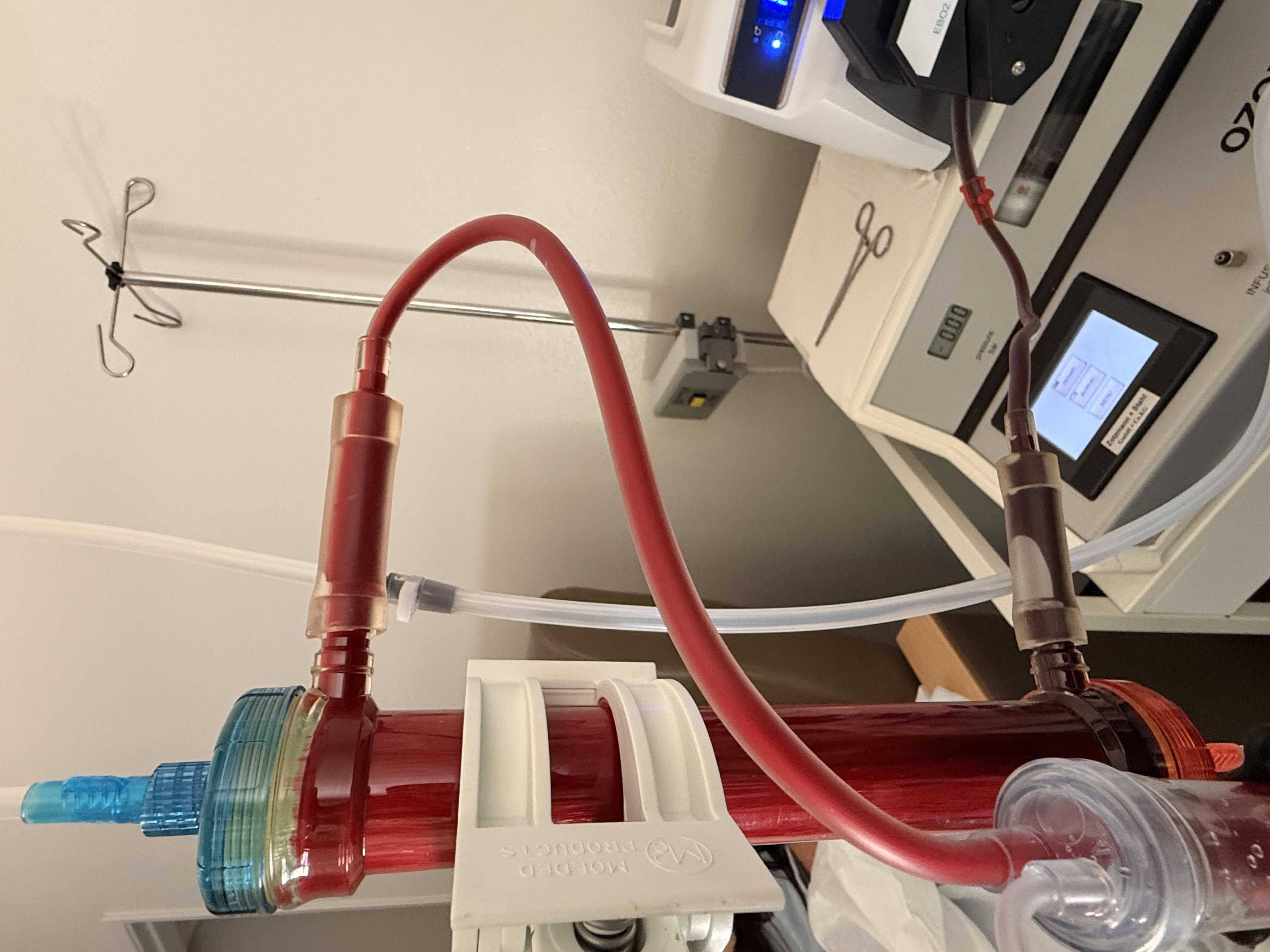
For patients with established CIRS who have also been exposed to mold-related mycotoxins, ozone therapy — particularly EBO2 — is increasingly used as part of the treatment protocol. Ozone has documented antifungal and immune-modulating properties, and many CIRS patients report significant improvement in fatigue, cognitive function, and systemic inflammation following EBO2 treatment. It is not a replacement for the Shoemaker protocol but can be a useful adjunct, particularly in patients with high mycotoxin burden or significant inflammatory biomarker elevation.
At Purety Family Medical Clinic, we evaluate mold illness and CIRS comprehensively — including the full biomarker panel, HLA-DR genotype testing, environmental assessment guidance, and, where appropriate, EBO2 ozone therapy as part of the treatment protocol. We also offer naturopathic primary care through our naturopathic medicine services. To schedule a consultation, call (805) 500-8300.