When patients first hear that the gut may influence mood, the reaction is usually skepticism — and that skepticism is healthy. The relationship between the gut microbiome and mental health has been one of the most over-hyped areas of wellness marketing. But behind the noise, there is real, peer-reviewed science that's worth understanding clearly. Here's what the FMT and depression research actually shows.
The Gut-Brain Axis Is Real, and It's Bidirectional
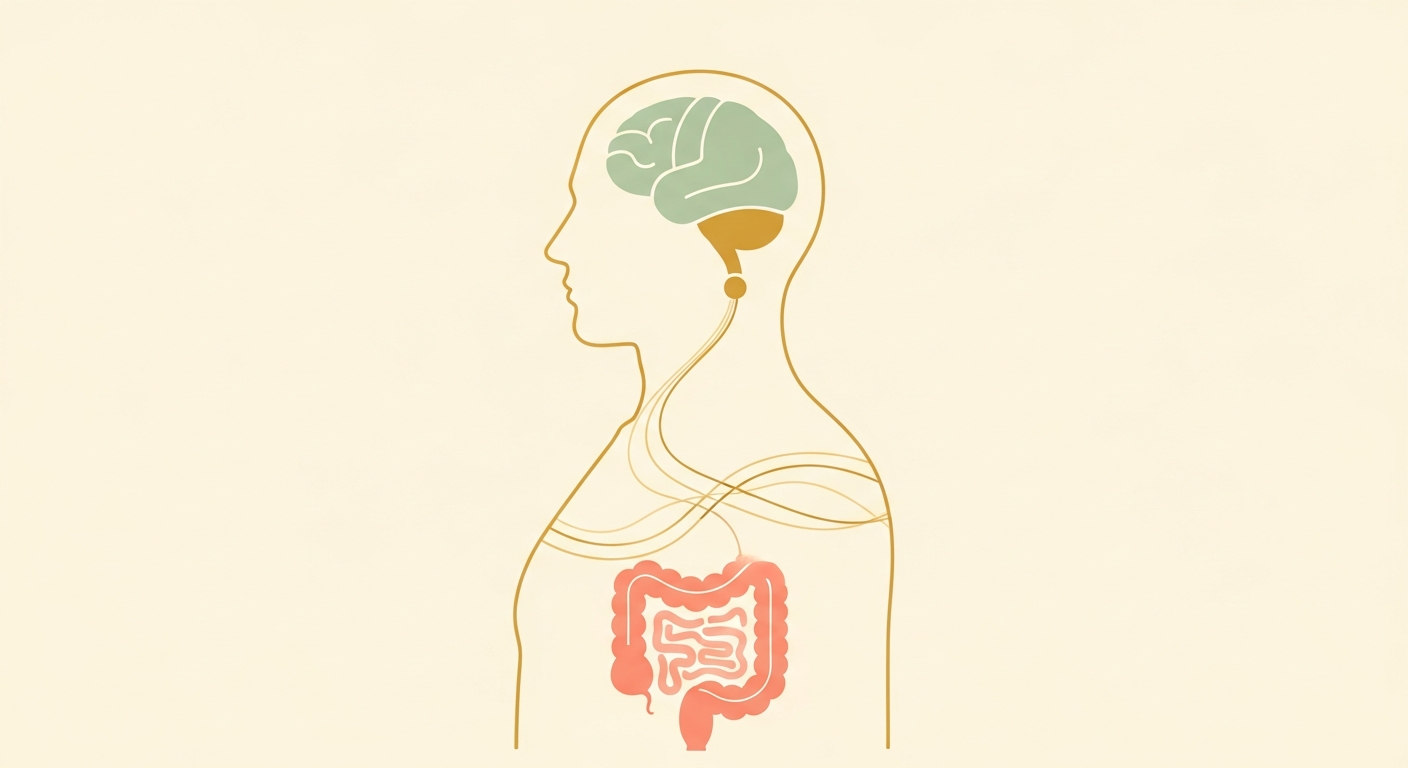
The gut and brain communicate constantly through several established pathways: the vagus nerve, the immune system (via cytokines), the endocrine system (via cortisol and other hormones), and bacterial metabolites — particularly short-chain fatty acids and neurotransmitter precursors produced by gut bacteria. Approximately 90% of the body's serotonin is produced in the intestinal lining, and gut microbes directly influence the production of GABA, dopamine precursors, and tryptophan metabolism.
Animal studies have repeatedly shown that transferring gut microbiota from depressed humans into germ-free mice can induce depression-like behavior in those mice — strong mechanistic evidence that gut microbes can influence mood-related behavior. This finding, published in journals like Molecular Psychiatry, prompted serious clinical interest in whether the reverse might also be true: could restoring a healthy microbiome improve depression in humans?
What the Human Trials Show
A 2020 case series published in Frontiers in Psychiatry documented two patients with major depressive disorder who experienced significant mood improvements following FMT performed for unrelated GI conditions. While case reports are the lowest level of clinical evidence, they generated interest in formal study.
More substantively, a 2023 randomized pilot trial published in JAMA Psychiatry tested FMT as adjunctive treatment for major depressive disorder in patients who were already on stable SSRI therapy but remained symptomatic. The FMT group showed greater reduction in depression severity scores at four weeks compared to the placebo group, with the effect maintained at the eight-week follow-up. The sample size was modest, but the trial was properly blinded and placebo-controlled — an important methodological step forward.
Research on FMT for anxiety disorders is even earlier, but a small 2022 study published in Translational Psychiatry reported reductions in generalized anxiety symptoms in patients who received FMT for irritable bowel syndrome. The investigators specifically tracked anxiety measures alongside GI symptoms and found that improvements in the two domains correlated, suggesting a shared underlying mechanism.
The Inflammation Connection
One of the most plausible mechanisms linking gut health to depression involves systemic inflammation. A growing body of research has identified a subset of depression — sometimes called "inflammatory depression" — that is characterized by elevated inflammatory markers like CRP and IL-6. These patients often respond poorly to conventional antidepressants.
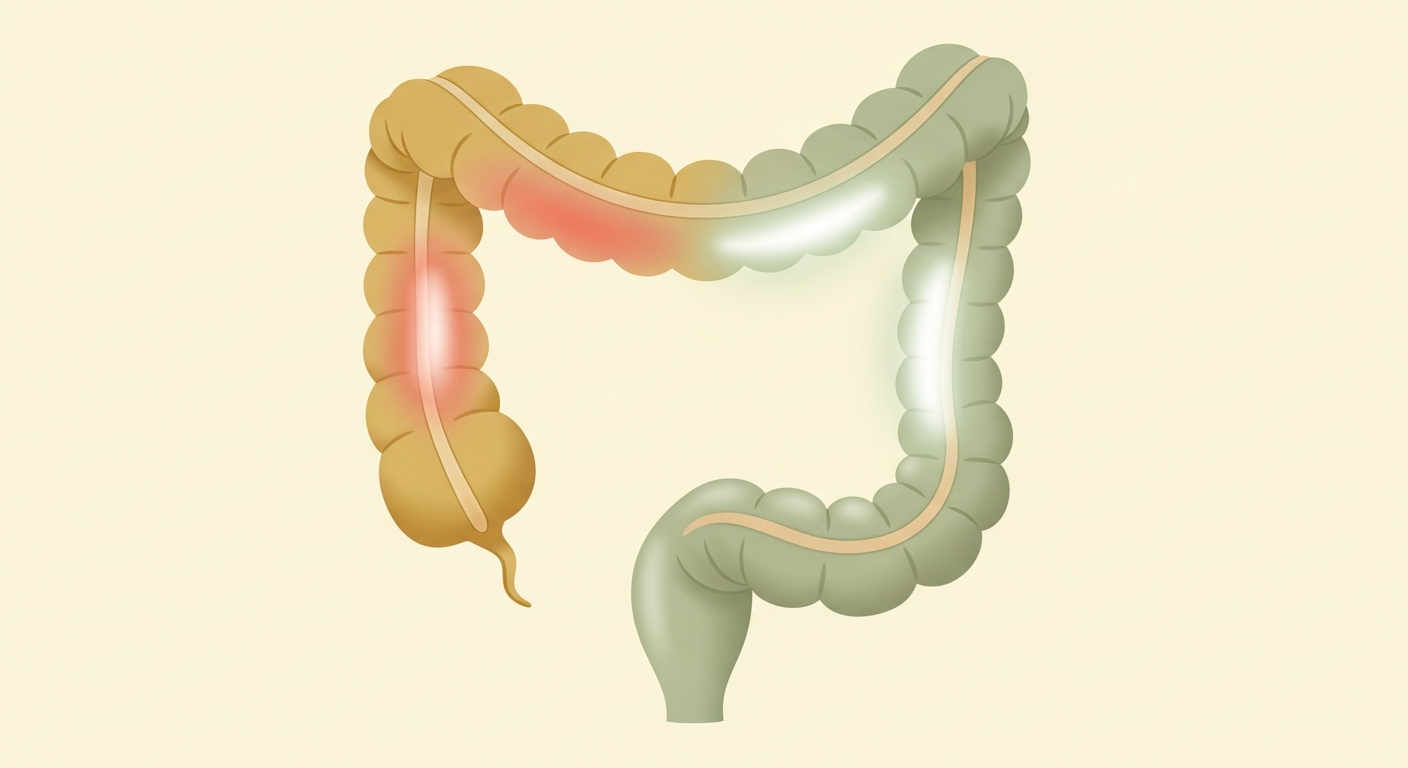
Gut dysbiosis contributes to systemic inflammation through increased intestinal permeability ("leaky gut"), which allows bacterial products like lipopolysaccharide (LPS) to enter circulation and activate the immune system. By restoring microbiome diversity and gut barrier function, FMT may reduce this inflammatory burden — and in patients whose depression is driven primarily by inflammation, that reduction could meaningfully improve mood.
What This Doesn't Mean
I want to be clear: FMT is not an FDA-approved treatment for depression or anxiety, and the evidence base, while encouraging, is still preliminary. Conventional treatments — therapy, SSRIs, SNRIs, exercise, sleep optimization — remain first-line and are supported by decades of robust evidence. No one should discontinue established mental health treatment based on emerging FMT research.
What the evolving science does suggest is that for some patients — particularly those with co-occurring GI symptoms, inflammatory markers, or treatment-resistant depression — addressing the gut microbiome may be a meaningful complementary approach worth discussing with a knowledgeable clinician.
How We Approach This Clinically
At Purety Clinic, we don't market FMT as a depression treatment. What we do recognize is that the gut-brain axis is real, that some patients with chronic GI symptoms also experience mood symptoms, and that microbiome restoration may benefit both. We work alongside mental health providers, not in place of them.
If you're dealing with treatment-resistant depression or anxiety alongside chronic gut symptoms and want to discuss what the current research suggests, schedule a consultation. We'll review your full picture honestly — including when conventional approaches should remain the focus and when an integrative consultation may add value.