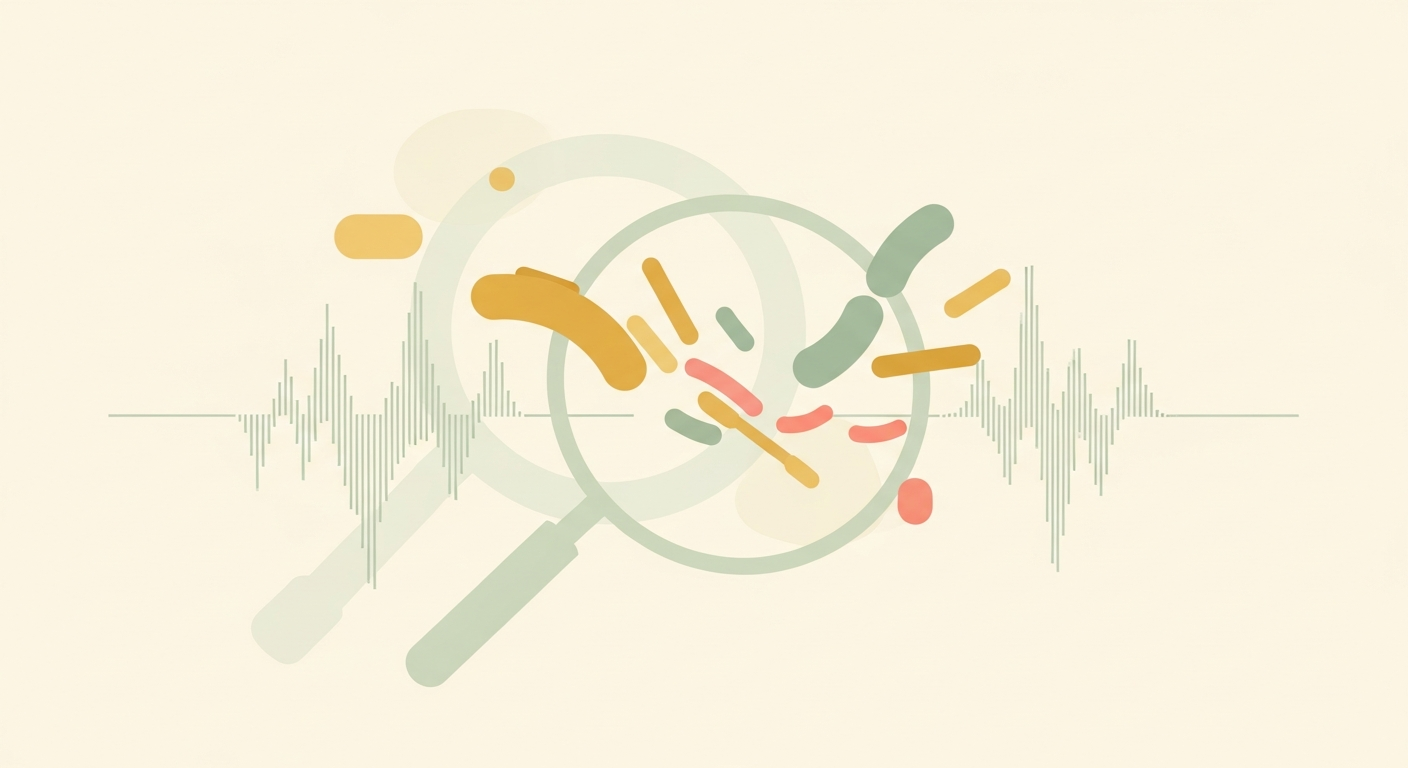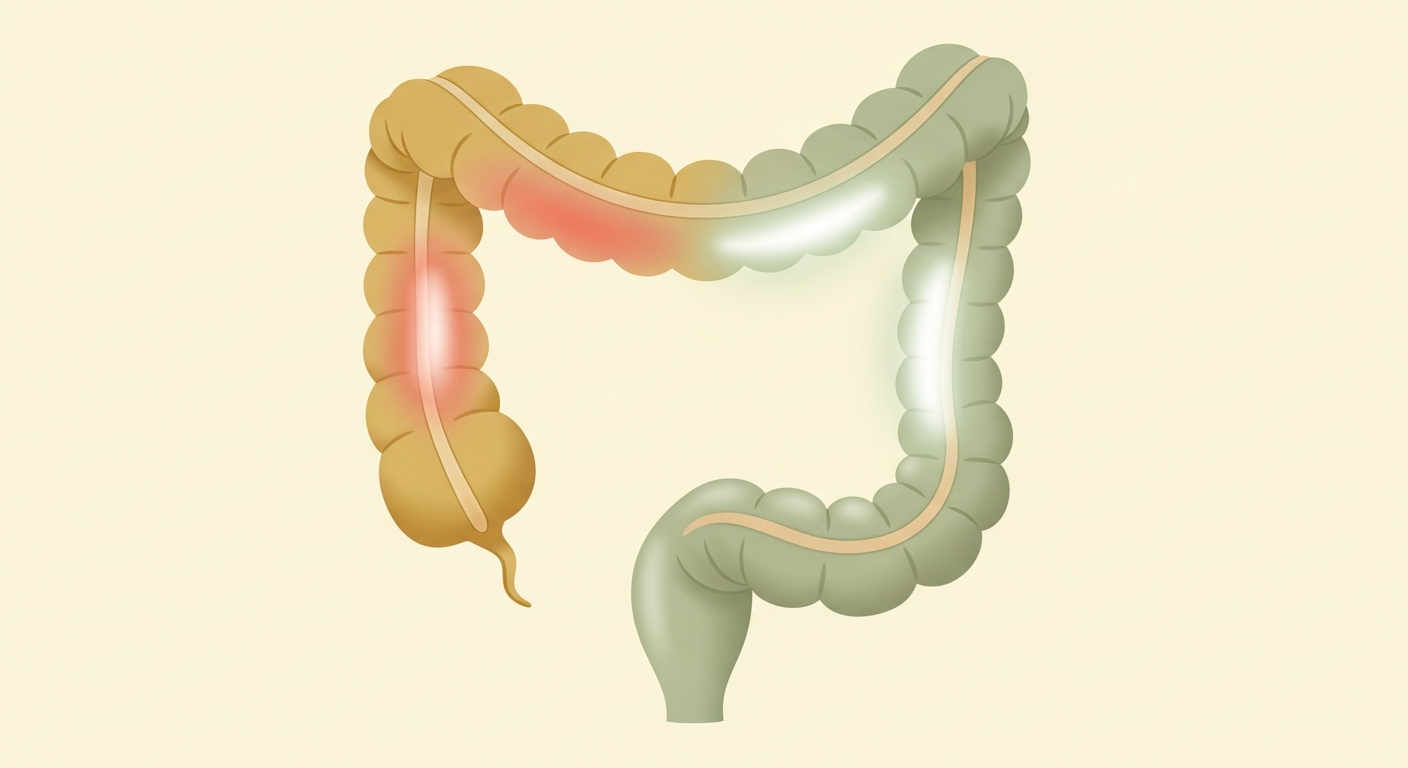
Inside your digestive tract lives a complex ecosystem of trillions of microorganisms — bacteria, fungi, viruses, and other microbes — collectively known as the gut microbiome. This hidden world has a profound influence on nearly every aspect of your health, from digestion and immunity to mood and energy levels. At Purety Family Medical Clinic, gut health is one of our core specialties.
Your Gut: The Second Brain
Scientists often refer to the gut as the "second brain" because it contains over 500 million neurons and produces more than 90% of your body's serotonin — the neurotransmitter responsible for feelings of happiness and well-being. This gut-brain connection, known as the gut-brain axis, explains why digestive problems so often go hand-in-hand with anxiety, depression, and brain fog.
When your microbiome is balanced and diverse, it supports healthy digestion, robust immunity, clear thinking, and stable moods. But when that balance is disrupted — a condition called dysbiosis — the effects ripple throughout your entire body.
What Causes Microbiome Disruption?
Modern life is extraordinarily hard on your microbiome. Some of the most common disruptors include:
- Antibiotics: While sometimes necessary, antibiotics don't discriminate between harmful and beneficial bacteria. A single course of antibiotics can alter your microbiome for months or even years.
- Processed foods: The standard American diet, high in sugar, refined carbohydrates, and artificial additives, starves beneficial bacteria while feeding harmful ones.
- Chronic stress: Stress hormones directly alter the composition of your gut bacteria and can increase intestinal permeability (commonly called "leaky gut").
- Environmental toxins: Pesticides, herbicides, heavy metals, and other environmental chemicals can damage the delicate gut lining and disrupt microbial balance.
- Lack of dietary diversity: A varied diet rich in different plant foods supports microbial diversity. Eating the same foods day after day narrows your microbiome.
Signs Your Gut Needs Attention
Many people don't realize that their symptoms are connected to gut health. Beyond obvious digestive complaints like bloating, gas, and irregular bowel movements, microbiome imbalance can manifest as:
- Persistent fatigue and low energy
- Skin conditions like eczema, acne, or rosacea
- Food sensitivities or intolerances
- Frequent colds and infections
- Joint pain and inflammation
- Difficulty losing weight
- Mood disorders including anxiety and depression
- Autoimmune conditions
Our Approach to Gut Restoration
At Purety Clinic, we take a comprehensive, multi-step approach to restoring gut health:
1. Testing: We start with advanced stool analysis and other functional testing to understand exactly what's happening in your gut. This tells us which bacteria are present, which are missing, whether there's inflammation, and how well you're digesting and absorbing nutrients.
2. Remove: We identify and remove the triggers that are causing harm — whether that's a pathogenic infection, food sensitivities, or environmental exposures.
3. Replace: We support healthy digestion with enzymes, hydrochloric acid, or bile acids as needed.
4. Reinoculate: We repopulate the gut with beneficial bacteria through targeted probiotics, prebiotics, and in some cases, Fecal Microbiota Transplant (FMT) — a treatment Dr. Birch has extensive experience with.
5. Repair: We heal the gut lining with nutrients like L-glutamine, zinc carnosine, and other mucosal-support supplements.
Fecal Microbiota Transplant (FMT)
For patients with severely disrupted microbiomes — particularly those with recurrent C. difficile infections — FMT offers a powerful solution. This treatment involves transplanting healthy donor microbiota to restore a balanced gut ecosystem. Dr. Jonathan Birch has performed over 1,000 FMT procedures and is one of the most experienced practitioners in the country. You can learn more on our dedicated FMT page.
Feeding Your Microbiome
One of the simplest things you can do for your gut health is to eat a diverse, plant-rich diet. Aim for 30 or more different plant foods per week — this includes vegetables, fruits, whole grains, legumes, nuts, seeds, herbs, and spices. Each type of plant fiber feeds different species of beneficial bacteria, promoting the microbial diversity that's associated with good health.
Fermented foods like sauerkraut, kimchi, kefir, and yogurt also introduce beneficial bacteria directly into your gut. Try to include a small serving of fermented food with at least one meal each day.
Take the First Step
If you suspect your gut health may be at the root of your symptoms, we encourage you to schedule a consultation. Understanding your microbiome is the first step toward reclaiming your vitality, and our team at Purety Clinic has the expertise to guide you through the process.