Autoimmune disease has long been understood as a problem of immune system regulation — the body mistakenly attacking its own tissues. What the past decade of research has clarified is that the gut microbiome plays a profound role in shaping how the immune system distinguishes self from non-self. That insight has opened new questions about whether modifying the microbiome could meaningfully influence autoimmune disease activity.
The Gut Origins of Immune Regulation
Approximately 70–80% of the body's immune cells reside in or near the gut, and the gut microbiome is the primary educator of those cells from infancy onward. Specific bacterial species have been shown to drive the development of regulatory T cells (Tregs) — the immune cells responsible for preventing inappropriate immune responses against the body's own tissues. When these microbe-driven Treg populations are disrupted, autoimmunity becomes more likely.
Multiple autoimmune conditions — including rheumatoid arthritis, multiple sclerosis, type 1 diabetes, and inflammatory bowel disease — show consistent associations with specific gut microbiome alterations. Whether dysbiosis causes autoimmunity, results from it, or both, is an active area of investigation. But the bidirectional relationship is well established.
What the FMT Trials Have Shown
The strongest FMT evidence in autoimmune disease comes from inflammatory bowel disease (IBD), where multiple randomized controlled trials have evaluated FMT for ulcerative colitis. Results have been mixed but encouraging: a 2017 trial published in The Lancet found that intensive FMT (multiple infusions over eight weeks) achieved steroid-free clinical remission in 27% of patients with active ulcerative colitis, compared to 8% in the placebo group. Subsequent studies have refined the protocol and donor selection criteria.
Outside of IBD, FMT research in autoimmune disease is earlier but growing. A 2022 pilot study published in EBioMedicine examined FMT in patients with rheumatoid arthritis and reported reductions in inflammatory markers and disease activity scores in a subset of patients. A small case series has reported improvements in patients with Hashimoto's thyroiditis following FMT, with reductions in thyroid antibody levels documented in several patients.
Multiple sclerosis researchers are also investigating FMT, with several trials underway examining whether microbiome restoration can affect MS disease activity. The research is preliminary, but the rationale is strong: MS patients consistently show altered gut microbiomes compared to healthy controls, and the disease has clear neuroinflammatory mechanisms.
The Molecular Mimicry Hypothesis
One mechanism that ties the gut microbiome to autoimmunity is molecular mimicry — the phenomenon in which bacterial proteins resemble human proteins closely enough that immune responses against the bacteria cross-react with self tissues. Multiple autoimmune diseases have been linked to specific bacterial species through this mechanism, including ankylosing spondylitis (Klebsiella), rheumatic fever (Streptococcus), and possibly type 1 diabetes (multiple species).
If specific gut bacteria can drive autoimmunity through molecular mimicry, then changing the microbial composition through FMT theoretically could reduce the immune triggers that drive disease flares. This is mechanistically plausible, but translating it into reliable clinical outcomes remains an active research challenge.
How FMT Fits with Other Autoimmune Treatments
At our clinic, we don't position FMT as a replacement for conventional autoimmune treatment. For most patients with active autoimmune disease, immunomodulatory medications managed by a rheumatologist or relevant specialist remain essential. What we do think about is whether microbiome restoration may serve as a meaningful adjunct — particularly for patients whose disease is not fully controlled, who experience prominent GI symptoms alongside their autoimmune condition, or who are interested in addressing potential root-cause contributors.
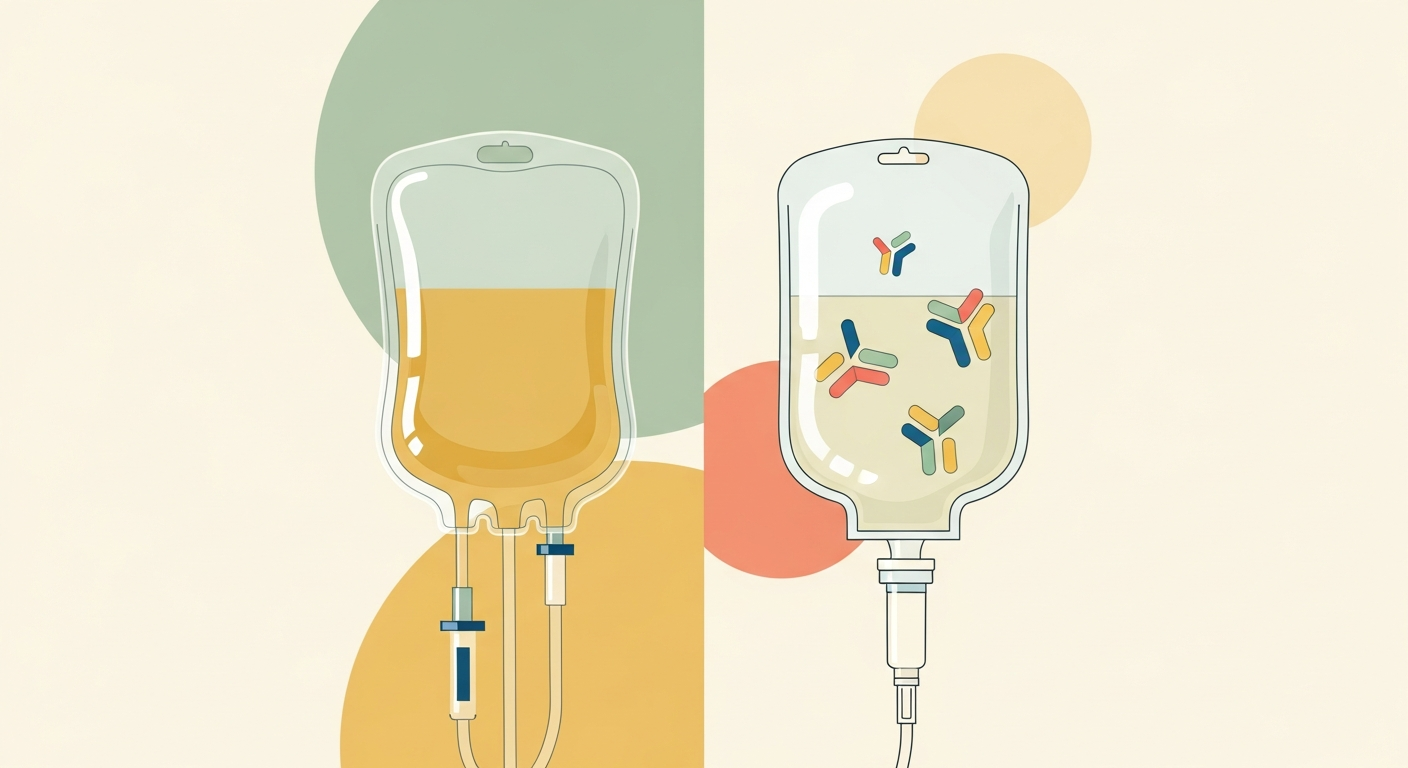
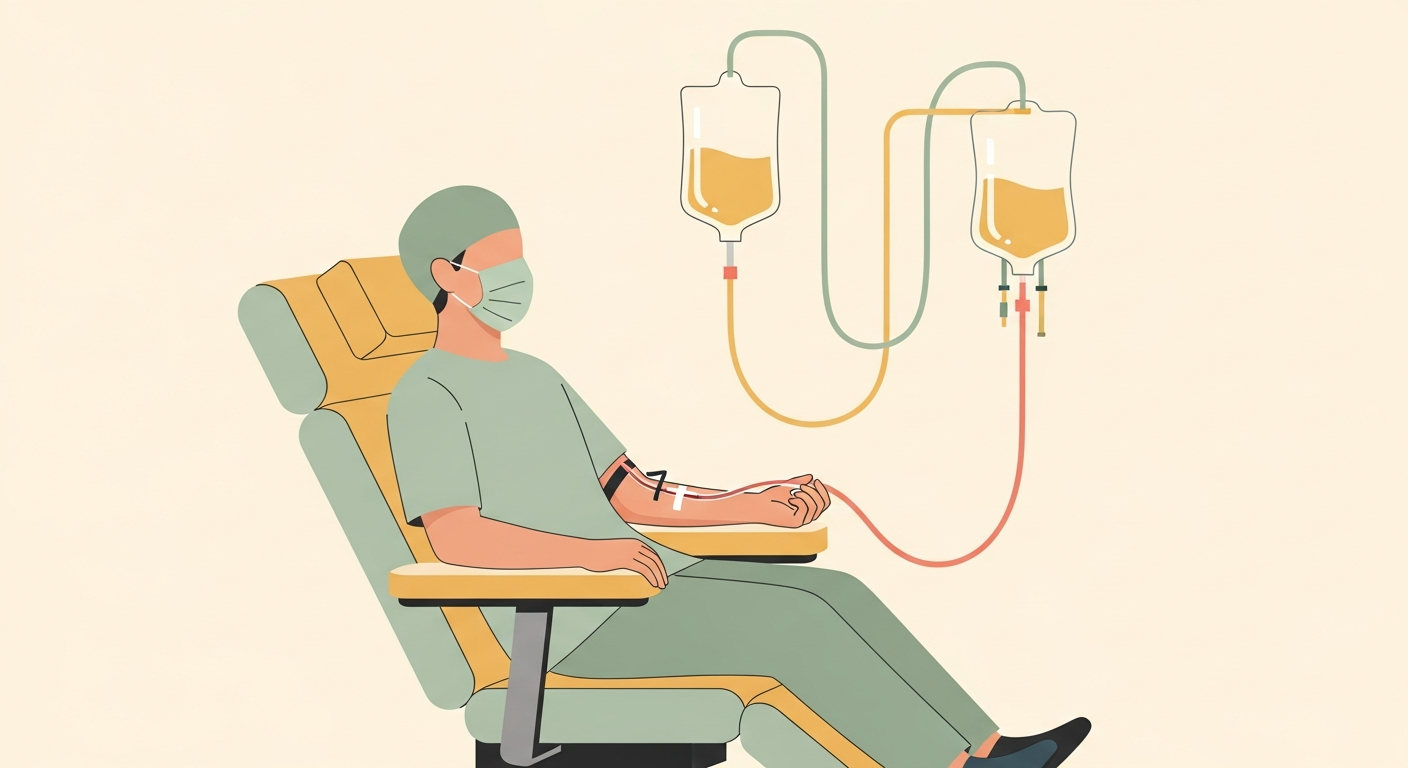
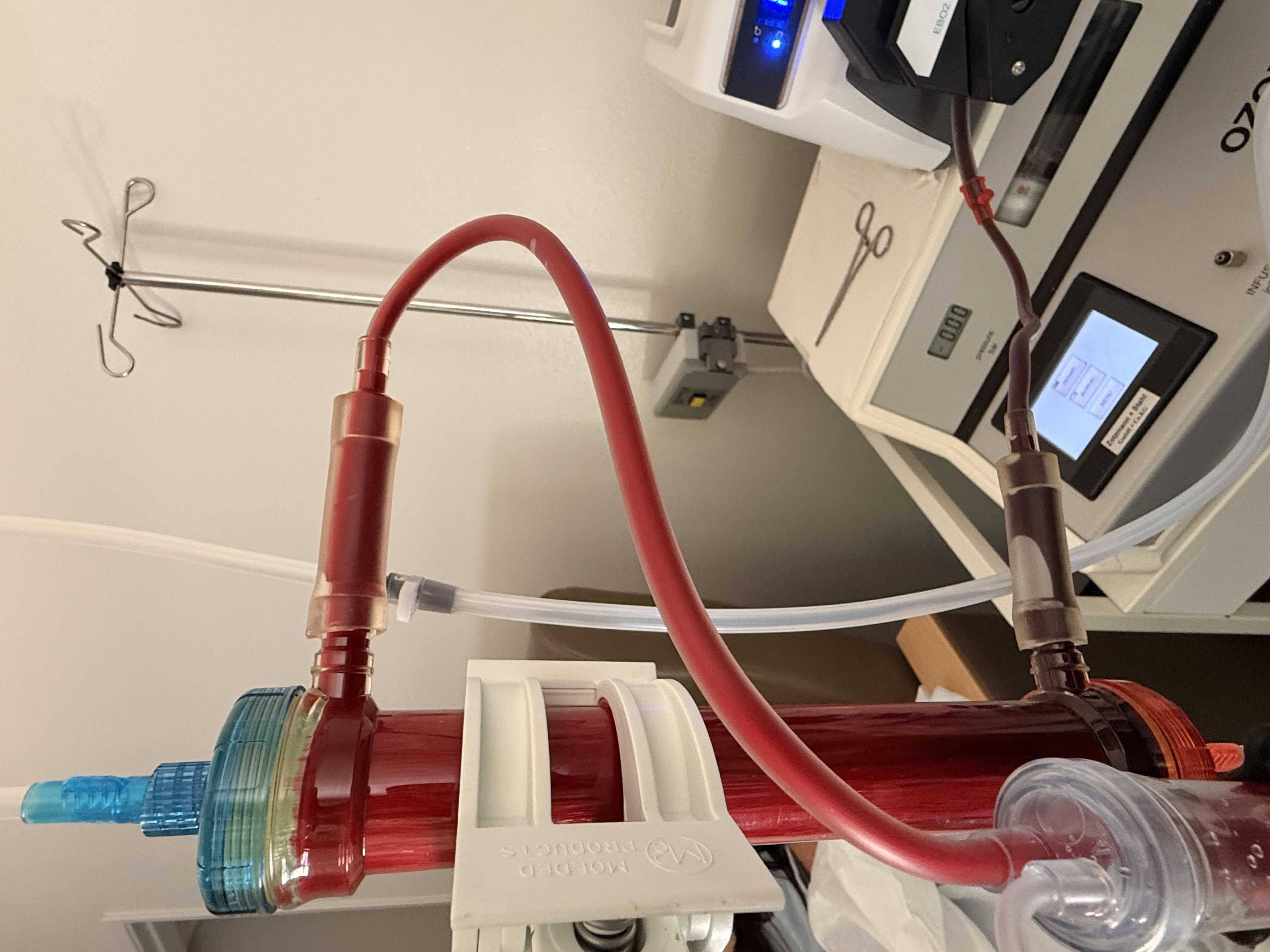
We also offer therapeutic plasma exchange for select patients with antibody-mediated autoimmune disease. Some patients benefit from a combined approach that addresses circulating autoantibodies (TPE) alongside the microbiome (FMT). Whether either or both is appropriate depends entirely on the specific condition, antibody profile, and treatment history.
What Realistic Expectations Look Like
I want to be honest about what the current evidence supports. FMT for autoimmune disease is investigational outside of IBD. Patients should not expect FMT to "cure" autoimmune disease — that's not what the evidence shows. What it may offer, in selected patients, is improved symptom control, reduced inflammation, and a meaningful complementary role within a broader integrative plan.
If you have an autoimmune condition and want to discuss whether microbiome-focused approaches make sense alongside your current care, schedule a consultation. We'll review your case carefully, communicate with your other treating clinicians as appropriate, and give you an honest assessment.