Antibiotics are one of the most important medical advances in history — but they don't discriminate between the pathogens they're targeting and the beneficial bacteria that maintain gut health. After a course of antibiotics, particularly broad-spectrum agents or repeated courses, many patients experience persistent digestive symptoms, food sensitivities, or a sense that something just hasn't returned to normal. Whether and when to consider FMT for post-antibiotic recovery is a question we get often, and it deserves a careful, honest answer.
What Antibiotics Actually Do to the Microbiome
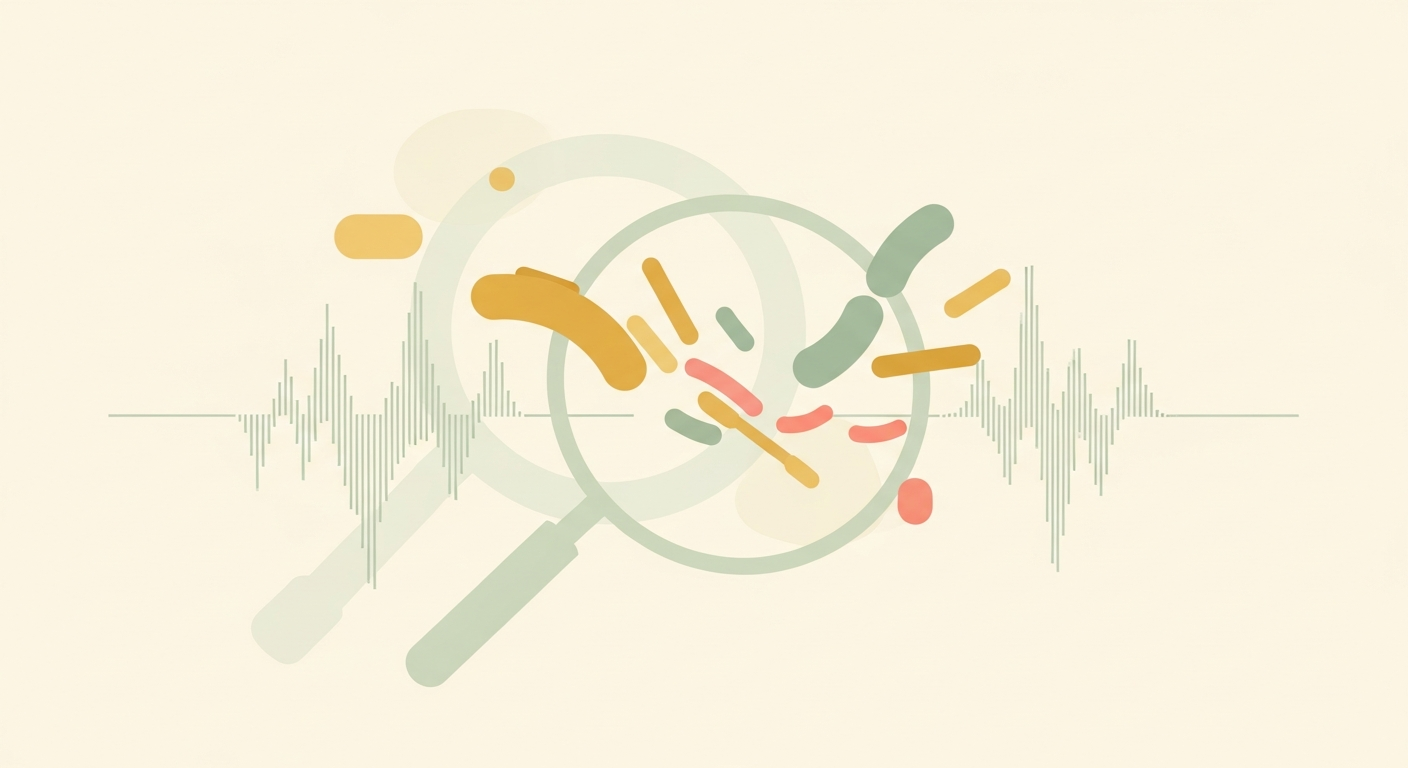
Even a single course of broad-spectrum antibiotics can dramatically reduce gut microbial diversity within days. Studies tracking patients before and after antibiotic treatment have documented losses of 25% or more in microbial species richness, with some species dropping below detectable levels. While the microbiome is resilient and partial recovery typically occurs over weeks to months, multiple studies have shown that some bacterial species never return to pre-antibiotic levels — particularly after repeated courses.
Specific antibiotics carry different risk profiles. Clindamycin, fluoroquinolones (ciprofloxacin, levofloxacin), and broad-spectrum penicillins tend to cause more profound and longer-lasting microbiome disruption than narrower-spectrum agents. The duration of treatment, the patient's age, and the baseline microbiome state all influence the degree of disruption and the speed of recovery.
When the Microbiome Recovers on Its Own
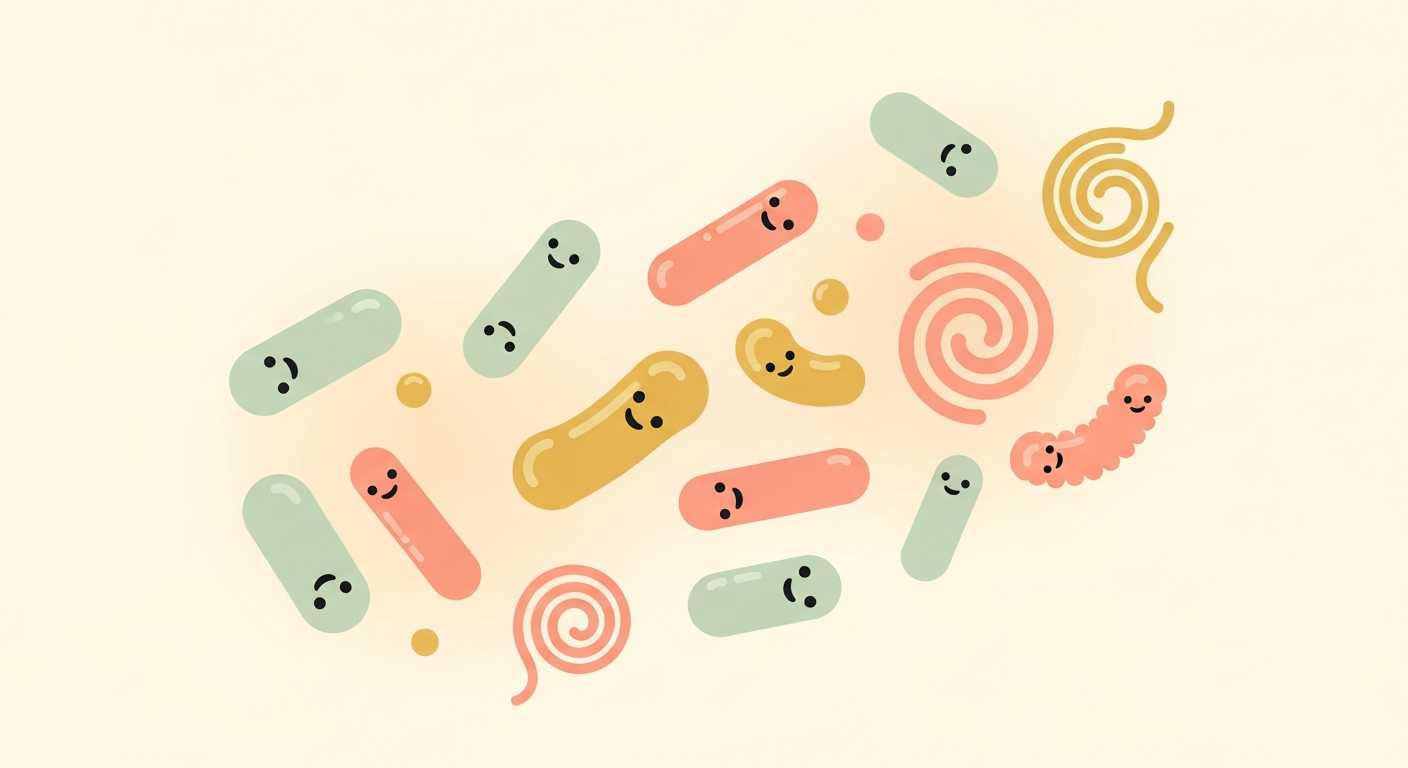
For most healthy adults receiving a single short course of antibiotics, the gut microbiome recovers reasonably well over time — typically weeks to a few months — particularly when supported by a diverse, fiber-rich diet, fermented foods, and adequate sleep. In these cases, FMT is generally not necessary, and simpler interventions are appropriate.
Targeted probiotic strains, particularly Saccharomyces boulardii and certain Lactobacillus formulations, have evidence for reducing antibiotic-associated diarrhea and supporting microbiome recovery. Prebiotic foods (onions, garlic, leeks, asparagus, bananas, oats) feed beneficial bacteria. Polyphenol-rich foods (berries, tea, dark chocolate, extra virgin olive oil) support microbial diversity. These straightforward measures help most people recover from a single antibiotic course.
When to Consider More Intensive Approaches
The patients who reach our clinic for post-antibiotic concerns typically have one or more of the following: a history of multiple antibiotic courses (often related to chronic infections like recurrent UTIs, sinus infections, or treatment for Lyme disease); persistent digestive symptoms more than three to six months after antibiotic completion; documented dysbiosis on stool testing; new food sensitivities or worsened tolerance to previously well-tolerated foods; or recurrent C. difficile infection.
For recurrent C. difficile infection, FMT is the most well-established indication, with overwhelming evidence supporting its use after second or subsequent recurrences. The FDA has approved an FMT-derived product (Rebyota) specifically for this indication, and clinical guidelines from gastroenterology societies recommend FMT as standard of care for recurrent C. difficile.
Outside of C. difficile, the evidence for FMT after antibiotic exposure is more nuanced. Patients with persistent post-antibiotic dysbiosis who haven't responded to dietary, probiotic, and prebiotic interventions may benefit from microbiome restoration through FMT — particularly when they have measurable evidence of low microbial diversity on testing, or when they've developed conditions like SIBO that appear linked to their antibiotic history.
The "Antibiotic Pretreatment" Question
An interesting and somewhat counterintuitive aspect of FMT preparation is that some protocols actually use a brief course of vancomycin before FMT. The purpose is to clear out the existing dysbiotic microbiome and create more "engraftment opportunity" for the donor microbiota to establish. This is well-established for C. difficile protocols and has been used in research protocols for other conditions.
The principle here is that simply "adding more bacteria" on top of a dysbiotic gut may not be enough — sometimes a more comprehensive reset is needed. This is one of the reasons that consumer probiotics, while sometimes helpful, often produce less dramatic results than full FMT in patients with significant dysbiosis.
What to Do First
If you've recently completed a course of antibiotics and want to support recovery, start with the basics: a diverse, plant-forward diet emphasizing fiber and fermented foods; consider a quality probiotic with evidence for your specific situation; prioritize sleep and stress management; and give your microbiome time. For most people, this is sufficient.
If you've had multiple antibiotic courses, are dealing with persistent symptoms months after antibiotic exposure, or have developed conditions like recurrent SIBO or post-infectious IBS, a more comprehensive microbiome assessment may be appropriate. Schedule a consultation and we'll review your full history, consider what testing makes sense, and help you decide whether targeted interventions or more intensive approaches like FMT fit your situation. You can also review our guides on FMT success rates and cost and how to access FMT treatment.