PRP Therapy for Tennis Elbow
Ultrasound-guided platelet-rich plasma injections for chronic tennis elbow and golfer's elbow — one of the best-studied uses of PRP, targeting the degenerated tendon at its source.
How PRP for Tennis Elbow Works
1. Draw
A small sample of your own blood is drawn — the same as a routine lab draw.
2. Concentrate
It is spun in a centrifuge to concentrate the platelets and growth factors 5–7× above baseline.
3. Inject (ultrasound-guided)
Dr. Birch (RMSK) injects the PRP precisely into the injured tissue under real-time ultrasound.
Dr. Jonathan Birch (NMD, RMSK) has performed thousands of ultrasound-guided regenerative injections. Real-time imaging means the PRP reaches the exact tissue that needs it — not just the general area.
Important: PRP therapy is generally not covered by insurance and is fee-for-service at Purety Clinic. We provide transparent pricing at consultation and a superbill you may submit for potential out-of-network reimbursement.
Why PRP for Tennis Elbow
Tennis elbow (lateral epicondylitis) and its inner-elbow cousin, golfer's elbow, are not really "inflammation" problems despite the "-itis" name. They are tendinosis — a breakdown and disorganization of the tendon fibers from repetitive strain, with little healing response. That is exactly why rest, braces, and anti-inflammatories so often fail to produce lasting relief: they do not restart repair.
PRP targets the underlying problem directly. Concentrated platelet growth factors injected into the degenerated tendon trigger a fresh healing cascade — recruiting repair cells and reorganizing the collagen. For a stubborn tendon that has stopped healing on its own, this is a mechanistic fix rather than a temporary mask.
Dr. Birch (RMSK) performs the injection under ultrasound, which shows the precise area of tendon degeneration and any small tears, so the PRP goes exactly where the damage is. Many patients also benefit from a "needle fenestration" technique done under the same guidance to further stimulate healing.
What the Research Shows
Tennis elbow is one of the most strongly supported indications for PRP. Multiple randomized controlled trials and meta-analyses have compared PRP to cortisone and to placebo, and the pattern is consistent: cortisone often wins in the first few weeks, but by 3–6 months and beyond PRP produces better, more durable improvement in pain and grip strength — while cortisone results frequently fade or relapse.
This durability advantage is why many sports-medicine clinicians now favor PRP over repeat steroid injections for chronic, treatment-resistant epicondylitis. The same rationale applies to medial epicondylitis (golfer's elbow), though it is less studied.
PRP is a procedure, not an FDA-approved medication, and results vary. Candidacy and expectations are reviewed individually at consultation.
Who Is a Candidate for PRP for Tennis Elbow?
- Lateral epicondylitis (tennis elbow) or medial epicondylitis (golfer's elbow) lasting more than 3 months
- Pain with gripping, lifting, or wrist movement that limits work, sport, or daily tasks
- Failed or only briefly helped by rest, bracing, physical therapy, NSAIDs, or a prior cortisone shot
- Prefer a treatment that targets tendon healing rather than repeated steroid injections
- No active infection, untreated bleeding disorder, or contraindication to injection
Final candidacy is determined at consultation by Dr. Birch after review of your history, exam, and any imaging. PRP is not right for every patient, and we will tell you directly when it is not the best tool for your injury.
What the Tennis Elbow Protocol Looks Like
Tennis elbow often responds to a single ultrasound-guided PRP injection, though some chronic cases benefit from a second injection 4–6 weeks later. The visit takes about 45 minutes: blood draw, centrifuge spin, and the guided injection (sometimes with needle fenestration of the tendon). You drive yourself home.
Expect 3–7 days of soreness — that is the healing response, so avoid anti-inflammatory medication during this window and ease off heavy gripping. A short eccentric-loading rehab program supports the result. Improvement typically builds over 6–12 weeks as the tendon remodels.
Want the full picture on PRP & regenerative medicine?
See our complete overview of PRP, stem cell, and prolotherapy injections — how each works, what to expect, and the conditions we treat.
Read the Full PRP OverviewFrequently Asked Questions: PRP for Tennis Elbow
From the Blog
All Articles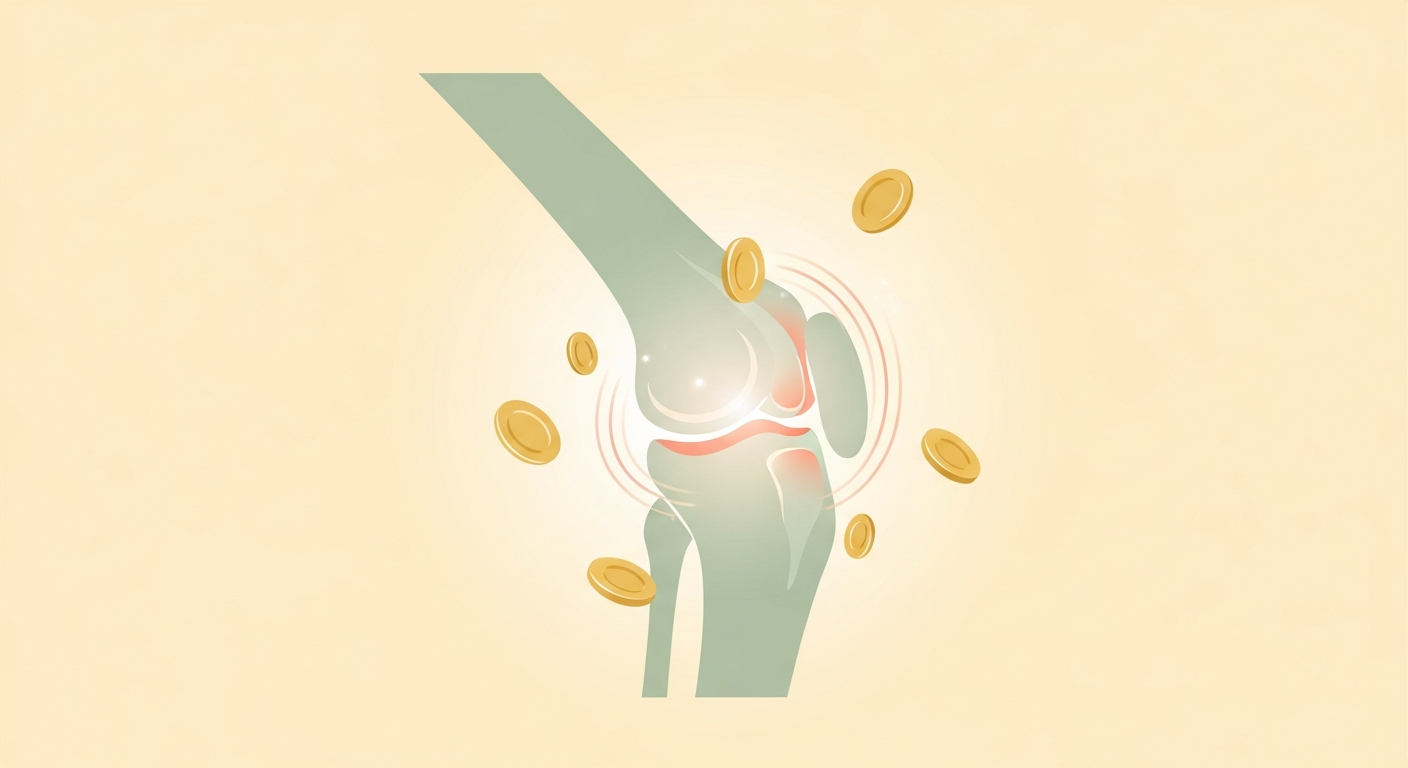
Two Licensed Naturopathic Medical Doctors. One Practice.
The naturopathic medical doctors caring for our patients at Purety Family Medical Clinic.
Dr. Jonathan Birch, NMD, RMSK
Founder · Naturopathic Medical Doctor
Licensed Naturopathic Medical Doctor and Registered in Musculoskeletal Sonography. Practicing root-cause integrative medicine since 2014. Areas of focus include FMT and microbiome restoration, hormone and thyroid optimization, autoimmune and Long COVID protocols, ozone and IV nutrient therapy, and PRP and regenerative injections.
Read Dr. Birch's full bioDr. Dena Birch, NMD
Naturopathic Medical Doctor · Women's Health & Pediatrics
Licensed Naturopathic Medical Doctor leading our women's health and holistic pediatric care. Areas of focus include perimenopause and bioidentical hormone therapy, PCOS and thyroid, fertility support, pediatric eczema, immune issues and recurrent infections, and gentle well-child care for families.
Read Dr. Dena's full bioDiscuss PRP for Tennis Elbow with Dr. Birch
Call (805) 500-8300 or submit a consultation request. Remote consultations available for patients outside Santa Barbara.
(805) 500-8300