PRP Therapy for Rotator Cuff Injuries
Ultrasound-guided platelet-rich plasma injections for partial rotator cuff tears, chronic tendinosis, and shoulder pain — targeting the tendon directly to support healing without surgery.
How PRP for Rotator Cuff Works
1. Draw
A small sample of your own blood is drawn — the same as a routine lab draw.
2. Concentrate
It is spun in a centrifuge to concentrate the platelets and growth factors 5–7× above baseline.
3. Inject (ultrasound-guided)
Dr. Birch (RMSK) injects the PRP precisely into the injured tissue under real-time ultrasound.
Dr. Jonathan Birch (NMD, RMSK) has performed thousands of ultrasound-guided regenerative injections. Real-time imaging means the PRP reaches the exact tissue that needs it — not just the general area.
Important: PRP therapy is generally not covered by insurance and is fee-for-service at Purety Clinic. We provide transparent pricing at consultation and a superbill you may submit for potential out-of-network reimbursement.
Why PRP for the Rotator Cuff
The rotator cuff is a group of four tendons that stabilize the shoulder, and they have a notoriously poor blood supply. That is why partial tears and chronic tendinosis are so slow to heal on their own — the tissue simply does not get the cells and signals it needs to repair. Cortisone injections can ease the pain but weaken tendon tissue over time, which is a real concern in a structure you are hoping will heal.
PRP delivers a concentrated dose of your own platelet growth factors straight to the injured tendon, essentially supplying the repair signals the area lacks on its own. The goal is to support tendon repair and reduce pain — not just mask it — for partial-thickness tears and tendinopathy that have not improved with conservative care.
Because the rotator cuff sits deep beneath other muscles, accurate placement is everything. Dr. Birch (RMSK) uses real-time ultrasound to see the exact tear or area of tendinosis and deposit the PRP precisely where the damage is — something a blind injection cannot reliably do.
What the Research Shows
The strongest evidence for PRP in the shoulder is for partial-thickness rotator cuff tears and chronic tendinopathy, where studies and systematic reviews report reduced pain and improved function compared with conservative management alone. There is also growing evidence that PRP delivered around the repair site can lower re-tear rates after surgical rotator cuff repair.
The picture is more nuanced for large, full-thickness, retracted tears — these are mechanical problems where the tendon ends are pulled apart, and an injection cannot bridge that gap. Those cases usually need a surgical consult, and we will refer when that is the right call.
PRP is a procedure rather than an FDA-approved drug, and response varies from person to person. Candidacy is decided after a focused exam and review of your imaging, with honest expectation-setting up front.
Who Is a Candidate for PRP for Rotator Cuff?
- Partial-thickness rotator cuff tear or chronic rotator cuff tendinosis confirmed on imaging
- Shoulder pain, weakness, or night pain that limits reaching, lifting, or sleeping
- Looking to avoid surgery, or to support healing alongside a planned/prior repair
- Failed or only briefly helped by physical therapy, NSAIDs, or a prior cortisone shot
- No active infection, untreated bleeding disorder, or a large retracted tear better suited to surgery
Final candidacy is determined at consultation by Dr. Birch after review of your history, exam, and any imaging. PRP is not right for every patient, and we will tell you directly when it is not the best tool for your injury.
What the Rotator Cuff Protocol Looks Like
A typical rotator cuff protocol is 1–3 ultrasound-guided injections spaced 2–4 weeks apart. Each visit takes roughly 45–60 minutes — blood draw, centrifuge spin, and the guided injection into the tendon. We usually pair the course with a targeted rehab plan, because loading the tendon correctly as it heals is a big part of the result.
Expect some soreness for a few days afterward, and plan to avoid anti-inflammatory medication during the early healing window. Tendon remodeling is gradual, so improvement typically builds over 6–12 weeks and can continue beyond that. Dr. Birch reassesses with ultrasound to track how the tendon is responding.
Want the full picture on PRP & regenerative medicine?
See our complete overview of PRP, stem cell, and prolotherapy injections — how each works, what to expect, and the conditions we treat.
Read the Full PRP OverviewFrequently Asked Questions: PRP for Rotator Cuff
From the Blog
All Articles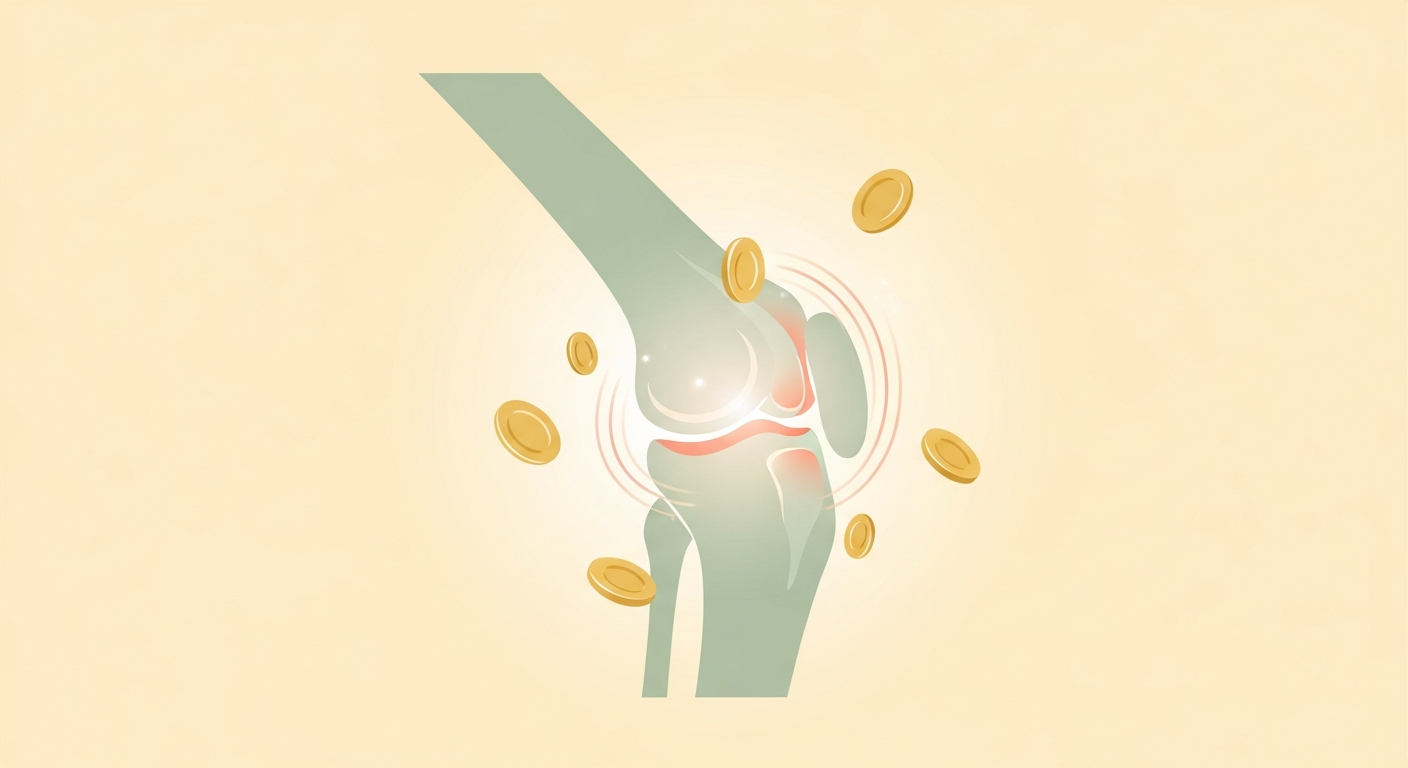
Two Licensed Naturopathic Medical Doctors. One Practice.
The naturopathic medical doctors caring for our patients at Purety Family Medical Clinic.
Dr. Jonathan Birch, NMD, RMSK
Founder · Naturopathic Medical Doctor
Licensed Naturopathic Medical Doctor and Registered in Musculoskeletal Sonography. Practicing root-cause integrative medicine since 2014. Areas of focus include FMT and microbiome restoration, hormone and thyroid optimization, autoimmune and Long COVID protocols, ozone and IV nutrient therapy, and PRP and regenerative injections.
Read Dr. Birch's full bioDr. Dena Birch, NMD
Naturopathic Medical Doctor · Women's Health & Pediatrics
Licensed Naturopathic Medical Doctor leading our women's health and holistic pediatric care. Areas of focus include perimenopause and bioidentical hormone therapy, PCOS and thyroid, fertility support, pediatric eczema, immune issues and recurrent infections, and gentle well-child care for families.
Read Dr. Dena's full bioDiscuss PRP for Rotator Cuff with Dr. Birch
Call (805) 500-8300 or submit a consultation request. Remote consultations available for patients outside Santa Barbara.
(805) 500-8300