PRP Therapy for Knee Pain
Ultrasound-guided platelet-rich plasma injections for knee osteoarthritis, patellar tendinopathy, and chronic knee pain — a non-surgical, steroid-free option that may help you delay or avoid knee replacement.
How PRP for Knee Pain Works
1. Draw
A small sample of your own blood is drawn — the same as a routine lab draw.
2. Concentrate
It is spun in a centrifuge to concentrate the platelets and growth factors 5–7× above baseline.
3. Inject (ultrasound-guided)
Dr. Birch (RMSK) injects the PRP precisely into the injured tissue under real-time ultrasound.
Dr. Jonathan Birch (NMD, RMSK) has performed thousands of ultrasound-guided regenerative injections. Real-time imaging means the PRP reaches the exact tissue that needs it — not just the general area.
Important: PRP therapy is generally not covered by insurance and is fee-for-service at Purety Clinic. We provide transparent pricing at consultation and a superbill you may submit for potential out-of-network reimbursement.
Why PRP for Knee Pain
Most chronic knee pain comes from osteoarthritis — the gradual loss of cartilage and the low-grade inflammation that comes with it — or from worn tendons and ligaments around the joint. The conventional options tend to be a cortisone shot (which calms inflammation short-term but is catabolic and can accelerate cartilage breakdown with repeated use) or, eventually, joint replacement surgery.
Platelet-rich plasma takes a different approach. We concentrate the platelets and growth factors from your own blood 5–7× above baseline and deliver them precisely into the joint and the injured tissue around it. Those growth factors recruit repair cells, calm the inflammatory signaling that drives arthritis pain, and support the health of the remaining cartilage — addressing the biology of the joint rather than just numbing it.
Precision matters more in the knee than almost anywhere else. Dr. Birch is registered in musculoskeletal sonography (RMSK) and places every injection under real-time ultrasound guidance, confirming the needle is exactly where it needs to be — inside the joint capsule or on the targeted tendon — rather than relying on landmarks alone.
What the Research Shows
The knee is the most heavily studied joint in all of PRP research. Multiple randomized controlled trials and meta-analyses have compared PRP to hyaluronic acid (gel injections), corticosteroid, and saline placebo for knee osteoarthritis — and most have found PRP produces greater and longer-lasting improvement in pain and function, particularly in mild-to-moderate arthritis (Kellgren-Lawrence grades 1–3).
The benefit is most reliable in younger and middle-aged patients with cartilage still present. In advanced, bone-on-bone arthritis the response is more modest and we will tell you so honestly — in those cases PRP may be combined with, or stepped up to, stem cell / biologic injections, or surgery may genuinely be the better path.
PRP is a procedure, not an FDA-approved drug, and individual response varies. Some patients get a year or more of meaningful relief from a single course; others are partial responders. Every candidate is evaluated individually and given realistic expectations before any treatment.
Who Is a Candidate for PRP for Knee Pain?
- Knee osteoarthritis (mild to moderate / Kellgren-Lawrence grade 1–3) with pain limiting daily activity
- Patellar or quadriceps tendinopathy, or chronic knee pain after a sports injury
- Looking for an alternative to repeated cortisone shots, or trying to delay or avoid knee replacement
- Failed or only briefly helped by physical therapy, NSAIDs, bracing, or activity modification
- No active joint infection, untreated bleeding disorder, or contraindication to injection
Final candidacy is determined at consultation by Dr. Birch after review of your history, exam, and any imaging. PRP is not right for every patient, and we will tell you directly when it is not the best tool for your injury.
What the Knee Pain Protocol Looks Like
A typical knee PRP course is 1–3 ultrasound-guided injections spaced 2–4 weeks apart, depending on the severity of the arthritis and how you respond. Each visit takes about 45–60 minutes: a blood draw, a short spin in the centrifuge to concentrate your platelets, and the guided injection itself. Most people drive themselves home afterward.
Expect a few days of soreness as the growth factors get to work — that inflammatory response is part of the mechanism, so we steer you away from anti-inflammatory medication during that window. Improvement usually builds over 4–12 weeks. Patients who respond well are often maintained with a single touch-up injection every 6–12 months as needed.
Want the full picture on PRP & regenerative medicine?
See our complete overview of PRP, stem cell, and prolotherapy injections — how each works, what to expect, and the conditions we treat.
Read the Full PRP OverviewFrequently Asked Questions: PRP for Knee Pain
From the Blog
All Articles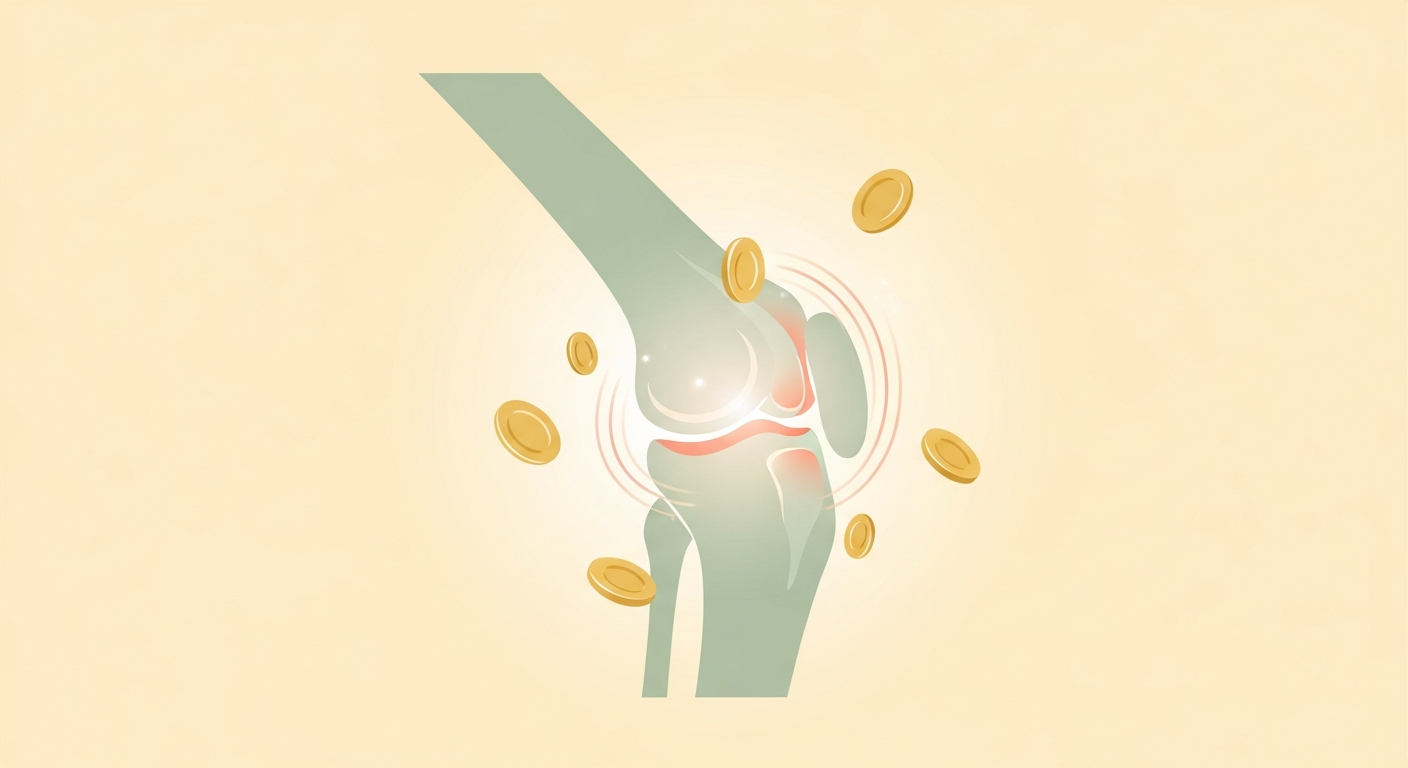
Two Licensed Naturopathic Medical Doctors. One Practice.
The naturopathic medical doctors caring for our patients at Purety Family Medical Clinic.
Dr. Jonathan Birch, NMD, RMSK
Founder · Naturopathic Medical Doctor
Licensed Naturopathic Medical Doctor and Registered in Musculoskeletal Sonography. Practicing root-cause integrative medicine since 2014. Areas of focus include FMT and microbiome restoration, hormone and thyroid optimization, autoimmune and Long COVID protocols, ozone and IV nutrient therapy, and PRP and regenerative injections.
Read Dr. Birch's full bioDr. Dena Birch, NMD
Naturopathic Medical Doctor · Women's Health & Pediatrics
Licensed Naturopathic Medical Doctor leading our women's health and holistic pediatric care. Areas of focus include perimenopause and bioidentical hormone therapy, PCOS and thyroid, fertility support, pediatric eczema, immune issues and recurrent infections, and gentle well-child care for families.
Read Dr. Dena's full bioDiscuss PRP for Knee Pain with Dr. Birch
Call (805) 500-8300 or submit a consultation request. Remote consultations available for patients outside Santa Barbara.
(805) 500-8300