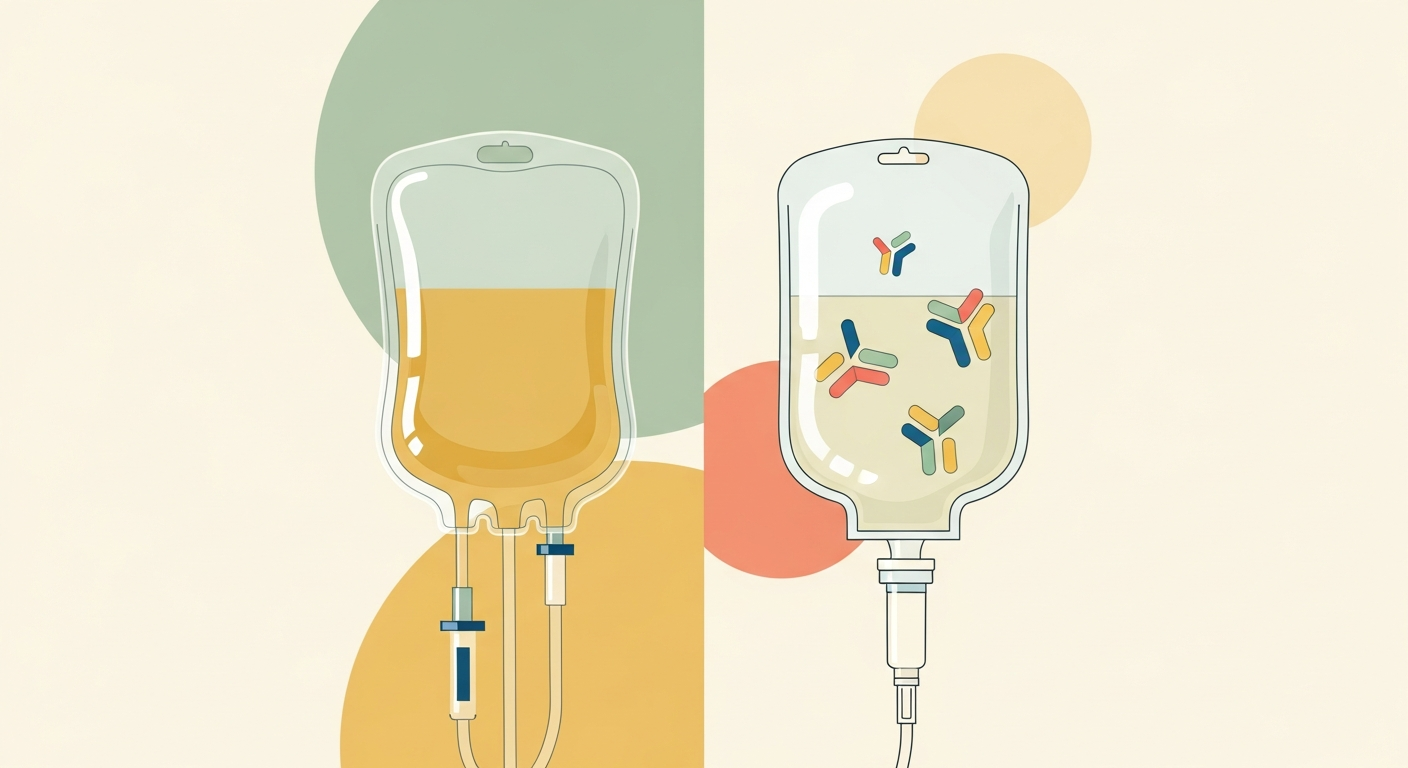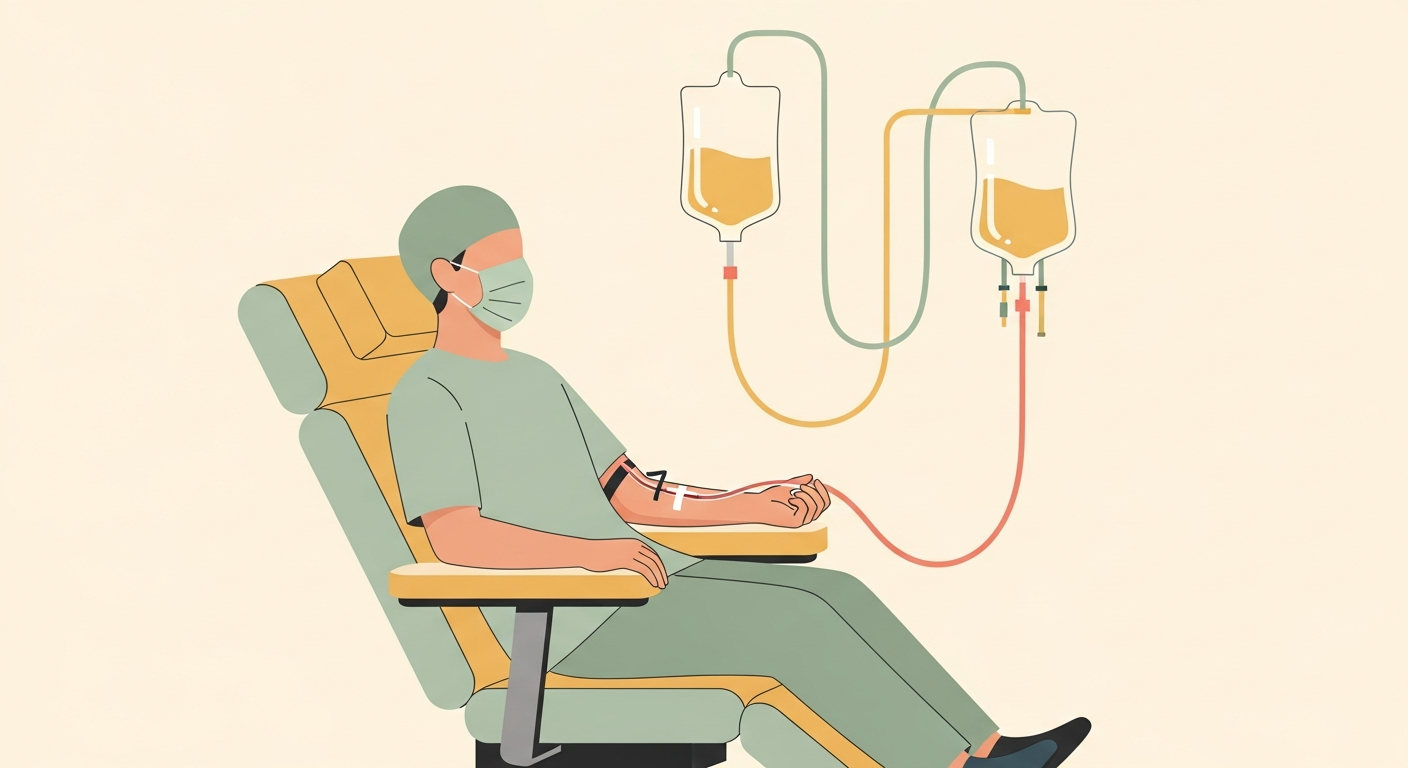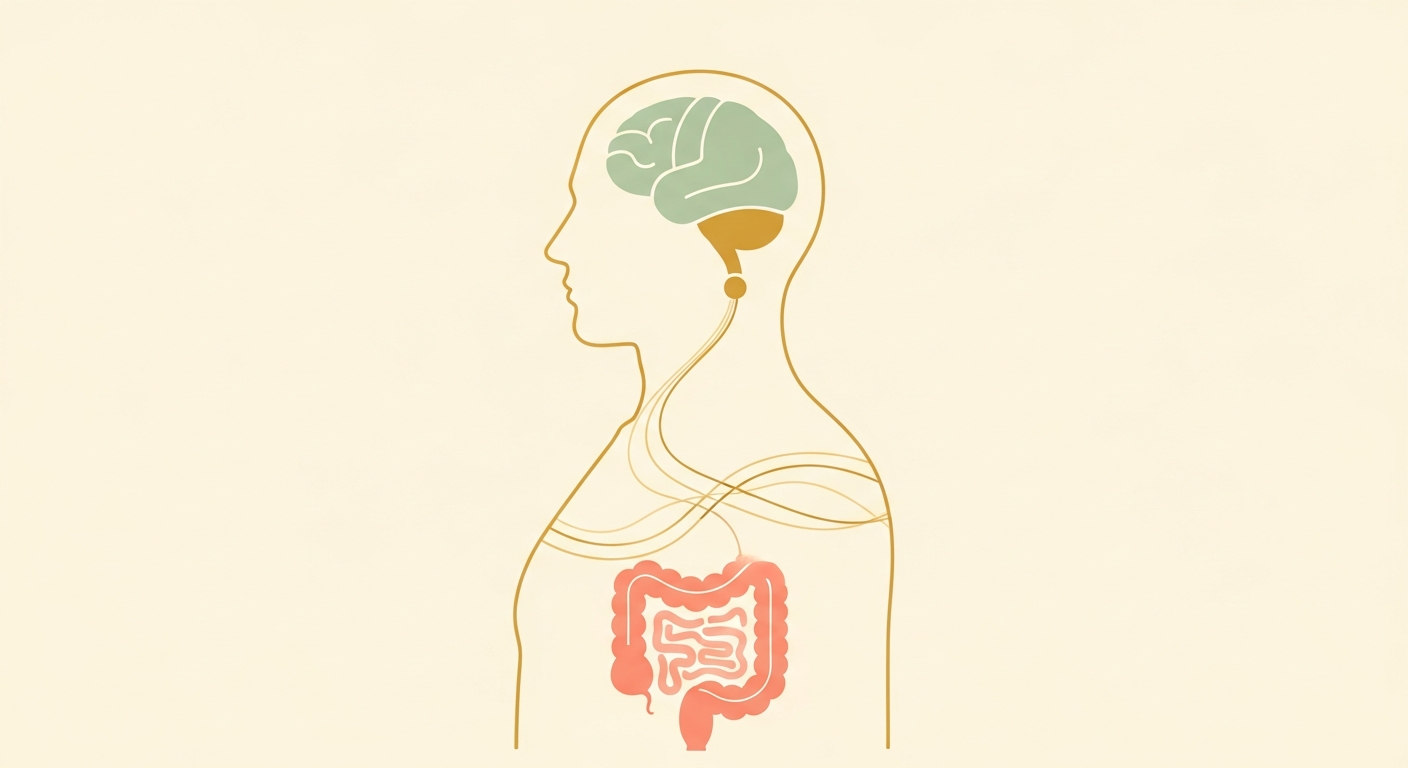
One of the most paradigm-shifting ideas in neurology over the past fifteen years has been the recognition that Parkinson's disease may begin in the gut — sometimes decades before tremor or other motor symptoms appear. The implications of this finding for treatment are profound, and they've placed the gut microbiome at the center of an active research conversation about whether interventions like FMT could meaningfully influence the disease.
The Gut Origin Hypothesis
The pathological hallmark of Parkinson's disease is the accumulation of misfolded alpha-synuclein protein in dopamine-producing neurons of the brain. What researchers now recognize is that alpha-synuclein pathology can be detected in the enteric nervous system — the network of neurons embedded in the gut wall — years and sometimes decades before it appears in the brain. This was demonstrated in a series of landmark studies, including work led by Dr. Heiko Braak proposing that Parkinson's pathology may originate in the gut and spread to the brain via the vagus nerve.
Supporting this hypothesis, large epidemiological studies have shown that people who underwent truncal vagotomy (a now-rarely-performed surgery that severs the vagus nerve) had a significantly reduced risk of developing Parkinson's disease decades later. Other studies have documented chronic constipation as one of the earliest pre-motor symptoms of Parkinson's, often preceding diagnosis by 10–20 years.
The Parkinson's Microbiome Signature
Patients with Parkinson's disease consistently show distinct alterations in gut microbiome composition compared to age-matched controls. A 2023 meta-analysis published in npj Parkinson's Disease identified consistent depletion of short-chain fatty acid-producing bacteria (particularly butyrate-producers like Faecalibacterium prausnitzii and Roseburia) and enrichment of specific opportunistic species in Parkinson's patients.
Butyrate is particularly interesting because it has neuroprotective properties — it strengthens the gut barrier, reduces neuroinflammation, and supports the integrity of the blood-brain barrier. The depletion of butyrate-producing bacteria in Parkinson's patients suggests one mechanistic pathway by which gut dysbiosis could contribute to neurodegeneration.
What the FMT Trials Have Shown
Direct clinical research on FMT for Parkinson's disease is in its early stages, but the published results are encouraging enough to have driven multiple ongoing trials. A 2023 randomized, double-blind, placebo-controlled study published in eClinicalMedicine randomized Parkinson's patients to receive FMT or placebo via colonoscopy. At twelve months, the FMT group showed greater improvement in motor symptoms (measured by the MDS-UPDRS) and constipation compared to placebo. The effect sizes were modest but statistically significant.
Earlier open-label studies, including a 2020 case series published in Frontiers in Aging Neuroscience, had reported improvements in both motor symptoms and gastrointestinal complaints in Parkinson's patients receiving FMT. While open-label data is more susceptible to placebo effects, the consistency between open-label results and the more recent randomized data is reassuring.
Importantly, the most consistent finding across these studies is improvement in non-motor symptoms — particularly constipation, which is often debilitating in Parkinson's patients and difficult to treat with conventional approaches.
Mechanistic Considerations
How might FMT affect Parkinson's disease? Several mechanisms have been proposed: reduction of gut-derived inflammation that contributes to neuroinflammation; restoration of butyrate production with downstream neuroprotective effects; modulation of the vagus nerve signaling that may carry alpha-synuclein from gut to brain; and improvement of gut motility, which directly addresses one of the most troubling non-motor symptoms.
Whether these mechanisms translate into meaningful long-term changes in disease progression remains an open question that ongoing trials are designed to answer.
How We Think About This Clinically
At our clinic, we don't position FMT as a treatment for Parkinson's disease itself. The conventional treatments — particularly dopaminergic medications managed by a movement disorder specialist — remain essential and should not be discontinued based on emerging FMT research. What we do recognize is that some Parkinson's patients have significant GI symptoms (especially refractory constipation) that conventional treatments don't adequately address, and that microbiome restoration may meaningfully improve quality of life in this population.
We work alongside neurologists, not in place of them. Patients who pursue FMT in this context typically continue all conventional Parkinson's care while exploring whether addressing the gut microbiome can help with non-motor symptoms or potentially serve as a complementary approach.
Honest Expectations
The honest answer about FMT for Parkinson's disease is that the early evidence is intriguing, the mechanism is biologically plausible, the GI symptom benefits are likely real, and the long-term effects on disease progression are unknown. Patients deserve clinicians who acknowledge what we do and don't yet know, and who help them weigh investigational interventions against established care.
If you or someone you care for is living with Parkinson's disease and you'd like to discuss whether microbiome-focused approaches make sense as part of a broader plan, schedule a consultation. We'll be honest about the evidence and help you think through the decision clearly.